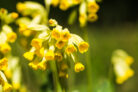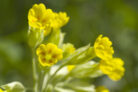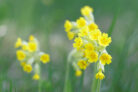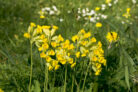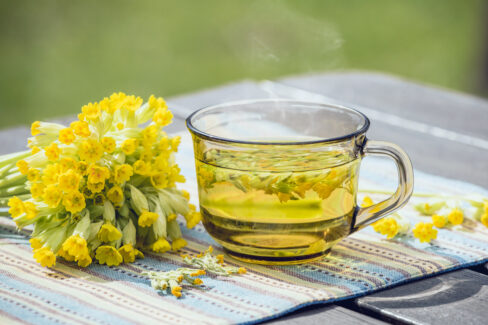
Cowslips are such a breath of fresh air early in the season! There’s nothing like seeing those cheerful yellow, cup-shaped blooms popping up all over the garden to let you know spring is finally here. But beyond being a pretty face in your flower bed, these little beauties have a secret: they pack a serious punch when it comes to natural healing.
The Cowslip as a Medicinal Plant
People have been using every part of the cowslip for its medicinal properties for centuries. These days, science has actually backed up what herbalists have known all along—this plant really works. Unfortunately, because people over-harvested them in the wild years ago, cowslips became quite rare. In many places, including Germany, they are strictly protected by law. That means no picking, digging up, or even gathering seeds from the wild. If you want to harness the healing power of the cowslip today, the best (and most legal!) way is to grow them right in your own backyard.
What’s Inside?
So, what makes the cowslip so special? It’s loaded with active compounds that help your body heal, including:
- Essential oils
- Tannins
- Silica
- Bioflavonoids (great for fighting inflammation and clearing out respiratory mucus)
- Triterpene saponins like Primula saponin (these help break up stubborn chest congestion so you can cough it up more easily)
- Phenolic glycosides like Primulaverin (more anti-inflammatory goodness)
How to Use It and What It Helps
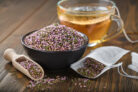
Most people enjoy cowslip as a tea, especially when they’re feeling under the weather. It’s fantastic for breaking up mucus and soothing spasms. Here’s a quick rundown of what it’s often used for:
Respiratory issues, such as:
- Bronchitis
- Sore throats
- Laryngitis
- Coughs
- The common cold
Headaches and nerve-related issues:
- Tension headaches
- Migraines
- Toothaches or gum inflammation
- Trouble sleeping
- General nervousness or neuralgia
Other internal support:
- Helping with recovery from pneumonia or heart-related inflammation
- Rheumatism and gout
- Constipation
Topical use (applied externally):
- Swelling (edema)
- Bruises
Brewing the Perfect Cup
Depending on which part of the plant you’re using, the “recipe” changes a bit. If you’re using dried root powder, adults should use about 0.5g (just a tip of a teaspoon) for every 5 ounces (150ml) of boiling water. Let it steep for 15 minutes before straining. Stick to one to three cups a day.
If you prefer using the dried flowers, use 1-2 teaspoons per cup and let it steep for about 10 minutes.
A quick heads-up: while cowslips aren’t considered poisonous, too much of a good thing can lead to an upset stomach, nausea, or diarrhea. Some folks with sensitive stomachs might feel a bit queasy even with a normal dose. If you know you’re allergic to the Primrose family, it’s best to skip this remedy entirely. Also, be extra careful with kiddos under twelve—always check with a pro and use a much smaller dose.