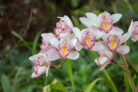
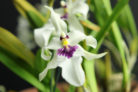
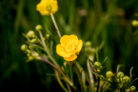
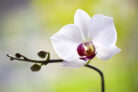
The Elder-flowered Orchid is one of those incredibly rare gems you’ll find tucked away in the European countryside. It gets its name from its lovely scent, which smells a bit like elderberry blossoms. If you’re lucky enough to spot this sensational beauty in the wild, you’re in for a real treat! Let’s dive into what makes this unique plant so special.
How to Spot an Elder-flowered Orchid
- Height: Usually stands between 4 to 12 inches tall.
- Growth Habit: A classic herbaceous perennial.
- Flowers: Features dense flower spikes up to 6 inches long in vibrant shades of yellow or red.
- Petals: Classic orchid blooms with side sepals that curve backward.
- Details: Look for distinct “loop” patterns or tiny red dots on the flower lips.
- Foliage: Deep green, pointed leaves.
- Bloom Time: Keep your eyes peeled from May through June.
Interestingly, these orchids bloom in two distinct colors: yellow and red. Because of this, locals often affectionately call them “Adam and Eve.” These showy flowers are experts at attracting bumblebees for pollination, though they’re a bit sneaky—the orchid actually produces no nectar at all!
Where This Beauty Grows
While the Black Elderberry shrub it’s named after grows just about everywhere, finding the Elder-flowered Orchid is a bit more of a challenge. This orchid is quite picky about its neighborhood! You won’t find it in rich, lime-heavy garden soil. Instead, it prefers nutrient-poor, rocky meadows at higher elevations, specifically favoring primary rock soils.
Because of these preferences, you’ll usually need to lace up your hiking boots to find one. They love the mountains and can be found at altitudes of up to 6,500 feet.
A Protected Treasure
Back in the day, these orchids were a much more common sight. Unfortunately, due to intensive modern farming, this magical flower has been pushed out of much of its natural habitat. Today, sightings are few and far between. Because of this decline, the plant was added to the Red List of endangered species in 2010. If you do find one, remember to take plenty of photos, but never pick or dig them up—let’s keep them safe for everyone to enjoy!