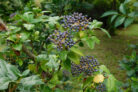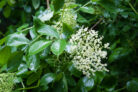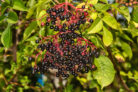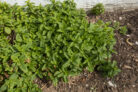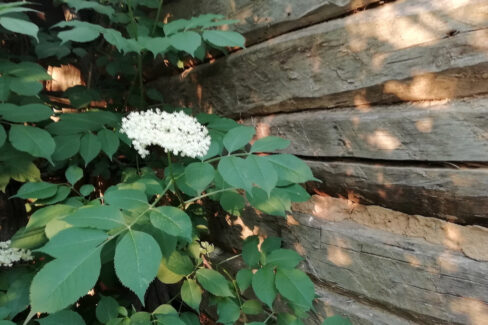
Back in the day, people believed every garden needed an elderberry bush. Folklore suggested that having one around would protect your home from lightning strikes and general bad luck. Whether you’re looking for a little mystical protection or just want to harvest some delicious berries, you’re probably wondering where exactly this wild shrub will be happiest in your yard. In this post, I’ll walk you through everything you need to know about finding the perfect spot for Black Elderberry.
Where does elderberry grow in the wild?
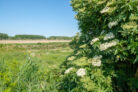
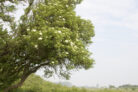
Elderberry is an incredibly hardy and flexible shrub. In the wild, you’ll see it popping up just about everywhere. It’s particularly fond of forest edges, meadow borders, and humus-rich clearings under the canopy of taller trees. You’ll also frequently spot it in drier, “forgotten” areas—think old railroad tracks or tucked away in the corners of historic farmsteads.
Growing Black Elderberry in your garden
When you’re scouting out a spot for elderberry in your own backyard, keep these conditions in mind to make sure this ornamental powerhouse thrives:
- Elderberries love full sun to partial shade.
- Make sure the soil is rich in nutrients.
- Humus-rich, loamy soil is the way to go.
- The ground should stay fresh and moist, but it must be well-draining.
- A neutral to slightly alkaline pH level is perfect.
Don’t forget to give it some space!
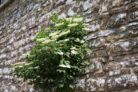
Beyond just soil and sunlight, you need to think about distance. When choosing a spot, consider how close you are to your house, walkways, patios, and the neighbor’s fence. Black Elderberry is a shallow-rooted plant, meaning it likes to spread out horizontally. At the same time, the shrub develops substantial root systems underground. Always keep a minimum distance of about six to ten feet (two to three meters) from any walls or structures. If you plant it too close, those roots can eventually do some real damage to masonry, paved paths, and foundations.