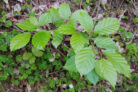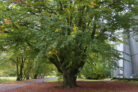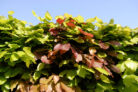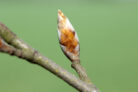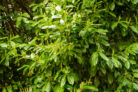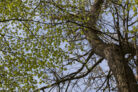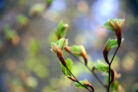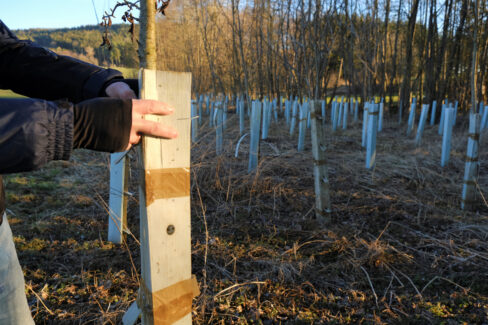
European Beeches (Rotbuchen) are absolutely stunning native hardwoods that look just as gorgeous in a backyard as they do in a sprawling public park. If you’re looking to add one to your landscape, you’ll find them in all sorts of shapes and sizes—and as you might expect, the price tags vary just as much.
Choosing the Right Variety
Depending on the look you’re going for, there are several different types to choose from, including:
- The classic European Beech
- Weeping Beech varieties
- Copper Beech (Purple Beech)
- Weeping Copper Beech
- High-stem standards
- Beech hedging plants
You’ll also need to decide how the tree is packaged, which usually comes down to:
- Bare-root (the most budget-friendly)
- Container-grown (in a plastic pot)
- Balled and burlapped (B&B)
Naturally, the tree’s stage of life plays a huge role in the cost. Are you looking for tiny saplings to start a hedge, or a mature specimen tree to serve as a focal point?
What to Expect Price-Wise
Before you pull the trigger, I highly recommend shopping around at different local garden centers and nurseries. Prices can fluctuate wildly, and a little research can save you a chunk of change. Here are a few ballpark figures:
- A green Weeping Beech that’s about 6.5 feet tall with a 4-inch trunk diameter will usually start around $350, and the price only goes up from there for larger specimens.
- If you’ve got your heart set on a Weeping Copper Beech, expect to pay a premium—often starting at $550 or more.
- Beech hedging is much more affordable since the plants are typically sold quite young and small.
As a general rule of thumb: the thicker the trunk and the older the tree, the more you’re going to pay.
Where’s the Best Place to Buy?
If you want the best experience, head to a local tree nursery. You get to hand-pick your specific tree, and the staff can give you expert advice tailored to your soil. Just keep in mind that nursery-quality trees often come with a slightly higher price tag.
You can also order trees online these days. It’s usually the cheapest route, but there are trade-offs: you don’t get to see the tree before it arrives, and the “customer service” is often just a chatbot. Plus, shipping can be stressful for the plant—nobody is watering it while it’s in the back of a delivery truck!
For hedging, your local big-box garden center is often a great bet for a deal. When calculating your total cost, keep these factors in mind:
- The height of the saplings
- Whether they are bare-root, B&B, or potted
- The quantity you need (usually about two plants per linear yard)
- Shipping or delivery fees
Pro tip: Bare-root plants are the cheapest way to go, while container-grown trees are the most expensive. However, container trees tend to establish themselves and start growing much faster once they’re in the ground!