When it comes to garden plants, you’ll rarely see a price range as wild as the one for olive trees. The main reason? These beauties are slow growers. Since they take their sweet time to mature, the rule of thumb is simple: the older the tree, the higher the price tag.
Young Trees from the Big-Box Stores
If you’re just looking for a bargain, you can often snag a basic olive tree at a local home improvement store or garden center for as little as ten or twenty bucks. These are usually young “standards” (trees trained with a single straight trunk). Keep in mind, though, that these are often wild varieties, so harvesting your own olives for a martini is pretty unlikely. Plus, these one-to-two-year-old saplings rarely come with any info on where they actually originated.
Why It Pays to See a Specialist
Even if you aren’t dreaming of pressing your own olive oil, there are plenty of reasons to invest in a properly raised tree from a specialist. Here in cooler climates, olive trees have to deal with weather they aren’t exactly used to. Wind, rain, and those occasional frosts can really test their natural toughness. Cheap, mass-produced young trees often haven’t developed the stamina to handle these stressors, making them way more susceptible to pests and diseases.
What Should You Expect to Pay for a Quality Tree?
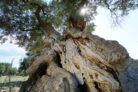
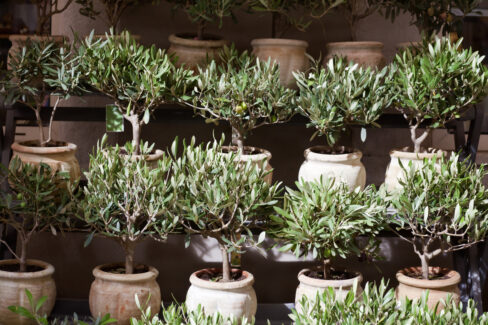
When you’re looking at premium olive trees, the price is almost entirely driven by size and, more importantly, age. You can find nice younger specimens starting around sixty dollars. On the flip side, if you’re eyeing a truly ancient, gnarled olive tree, you could be looking at a price tag in the thousands. Ultimately, your choice depends on your personal style—and your budget! To give you a rough idea of what to expect, here’s a breakdown of typical prices based on trunk circumference:
- 4-inch (10 cm) circumference: between $60 and $90.
- 8-inch (20 cm) circumference: between $200 and $250.
- 12-inch (30 cm) circumference: between $450 and $500.