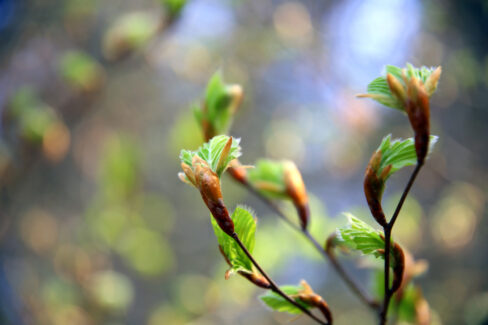
European Beeches are everywhere across Europe. You’ll spot them towering in deep forests, lining city parks, and even standing tall in backyard gardens. These massive trees have some really distinct features that make them super easy to identify once you know what to look for.
Fun Facts & Growth
In Central Europe, the European Beech (or *Fagus sylvatica*) is the king of the forest. These giants can reach heights of up to 130 feet with trunks several feet wide. While the leaves are green, the wood itself has a subtle reddish tint, which is why it’s often called the “Red Beech” in its native lands.
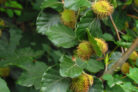
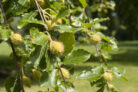
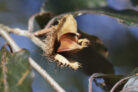
A beech tree starts blooming for the first time around age twenty, usually between April and May. They are “monoecious,” meaning both male and female flowers grow on the same tree. However, it takes about 40 years before the tree is mature enough to produce those famous triangular beech nuts (which, heads up, are slightly toxic if eaten raw).
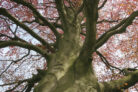
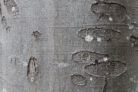
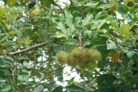
If you see a beech in the middle of a dense forest, you’ll notice a strikingly smooth, silvery trunk that shoots straight up before the canopy starts. In a garden setting, though, the tree has more room to breathe; the branches start much lower and spread out wide. That thick foliage isn’t just for looks—it actually shades the trunk to protect its sensitive bark from sunburn!
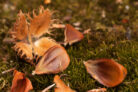
Ever seen a beech with deep purple or red leaves? Those are Copper Beeches (or Purple Beeches). They have a special pigment that masks the green chlorophyll. This popular variety actually originated from a natural mutation found in Germany a few hundred years ago. In the fall, both the green and purple varieties turn a gorgeous orange, and many of those dry leaves will actually hang onto the branches until the following spring.
How to Identify a European Beech
To spot a European Beech like a pro, just look for these key characteristics:
- Smooth, silvery-gray bark on the trunk
- Average height of about 130 feet
- Trunk diameter around 6 to 7 feet
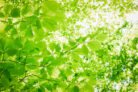
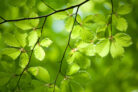
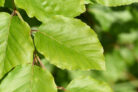
- Oval green leaves with very distinct, parallel veins
- Slightly wavy or finely toothed leaf edges (young leaves often have soft, silky hairs)
- Golden-orange fall color
- Buds that are long (up to 3/4 inch), pointy, and covered in tiny scales
- New growth that emerges with a reddish tint
- Both male and female flowers on the same tree
Common Uses
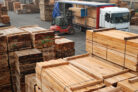
The European Beech isn’t just a pretty face; it’s a highly functional hardwood. Because the wood is sturdy and reliable, it’s used for all sorts of things, including:
- High-quality furniture
- Musical instruments
- Producing charcoal
- Smoking meats and sausages (it adds a great flavor!)
- Firewood (it has low moisture content, burns for a long time, and puts off a cozy, steady heat)