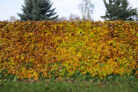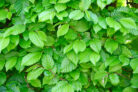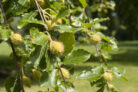
The European Beech (Rotbuche) is a classic native deciduous tree that, once fully grown and established, can handle just about any winter thrown its way. However, that doesn’t mean we should totally ignore them during the colder months! Here’s how to make sure your beech trees stay happy until spring.
Winter Hardiness
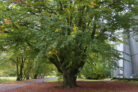
Mature European Beeches are incredibly tough, tolerating temperatures as low as -22°F (-30°C). These old giants don’t really need any extra winter protection. Their massive, deep-reaching root systems do a great job of keeping the trunk and crown supplied with what they need, so you don’t have to worry about the tree freezing through or suffering major frost damage.
However, it’s a different story for young, newly planted beeches. Their root systems aren’t very deep yet, so they need a little extra TLC when a deep freeze hits. Since their trunks are still quite thin, you can wrap them in burlap sacks or reed mats to shield them from the biting cold. It’s also a great idea to protect the root zone with a thick layer of mulch. You can use whatever you have on hand, such as:
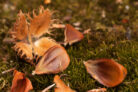
- Fallen autumn leaves
- Compost
- Grass clippings
- General garden waste
This mulch layer helps lock moisture into the soil, and as it breaks down, it gives the tree a nice little nutrient boost. Also, keep an eye on the weather—if it’s a particularly dry winter with very little snow, your beech might get thirsty. Give it a bit of water on days when the ground isn’t frozen.
Getting Ready for Dormancy
European Beeches actually start prepping for winter earlier than you might think. Once the last growth spurt happens in July, the tree is already starting to settle in for its winter nap. From this point on, you should stop fertilizing and pruning. If you fertilize or prune too late in the season, it might trick the tree into putting out new growth. Those tender young shoots won’t have time to “harden off” before the first frost and will likely freeze and die.
The Beauty of the Winter Beech
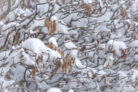
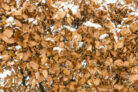
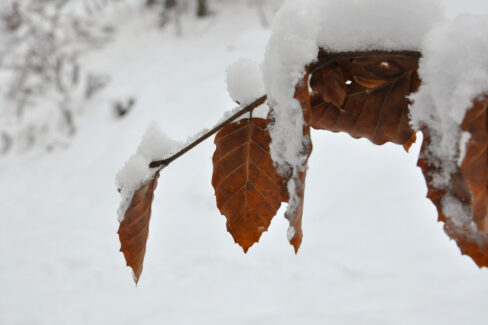
There is something truly majestic about a beech tree in winter. Their smooth, silver-gray trunks stand tall against the landscape, stretching bare branches toward the winter sky. Even in the cold, the tree’s internal transport system stays safe; tiny air pockets under the bark act like insulation to protect the vessels that move water and nutrients. Plus, the tree is smart—it stores sugars and proteins that act like a natural antifreeze. Even the leaf and flower buds, which are formed long before winter sets in, are packed with sugar to keep them from freezing.