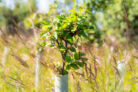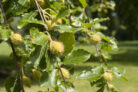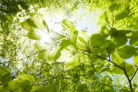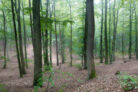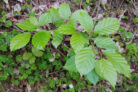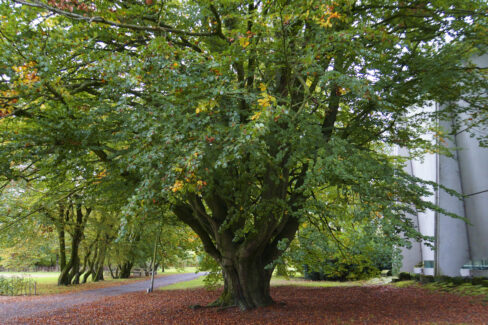
The European Beech (Rotbuche) is a true classic in the landscape. In many parts of the world, it’s the go-to choice for forests and public parks alike. How big your beech gets really depends on where it’s planted, but in the right spot, these trees can become majestic giants that live for several hundred years.
What to Expect from a Growing Beech
If you give a European Beech plenty of room to stretch its limbs, you’ll be surprised at how fast it moves. It’s not unusual to see it gain 15 to 20 inches in height every single year. The trunk and the canopy also fill out quite nicely. Here’s a quick breakdown of what a healthy tree can do:
- Annual height growth: 20 to 24 inches
- Annual canopy spread: 15 to 20 inches
- Trunk diameter increase: about 0.4 inches per year
- Maximum height: up to 150 feet
- Trunk thickness: can reach up to 80 inches
- Canopy diameter: free-standing trees can spread out to about 80 feet
- Shade coverage: a full-grown canopy can shade up to 6,500 square feet
- Maturity: the tree is considered fully grown at 100 to 150 years old
The Perfect Spot: Sun and Soil
European Beeches love sunny to partially shaded spots. One thing to watch out for: intense, direct sun can actually scorch the bark. A pro tip is to use underplantings to provide a little natural protection for the lower trunk.
As for the soil, these trees are a bit picky—they want it nutrient-rich, fresh, consistently moist, and slightly loamy. While they are incredibly hardy and can handle freezing winter temperatures without breaking a sweat, they really struggle with extreme summer droughts. If things get too dry, you’ll definitely need to pull out the garden hose. On the flip side, they hate “wet feet” (standing water). If you add some drainage when you first plant them, you can avoid root rot issues down the road.
One big “no-no” with beeches: don’t pile extra soil over the roots. These trees have shallow root systems, and even adding just 4 inches of soil on top can be heavy enough to suffocate and kill the roots over time.
Fun Facts About Beech Growth
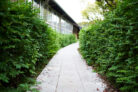
Because they grow so quickly, European Beeches are a fantastic choice for privacy hedges. To be honest, most home gardeners don’t plant them as individual trees because they just get too massive for a standard yard. Instead, they are super popular as hedges since they handle regular pruning like a champ.
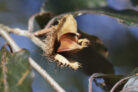
If you’re waiting for flowers, pack your patience! A European Beech usually won’t bloom until it’s 20 or 30 years old. They are “monoecious,” meaning both male and female flowers grow on the same tree. You’ll rarely see a beech hedge bloom, though, because the shears usually take the buds off before they can open. And those famous beech nuts? You won’t see those until the tree is at least 40 to 50 years old.