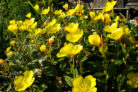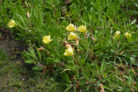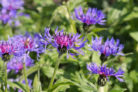
Originally hailing from North America, the evening primrose was brought to Europe for its radiant beauty and has since become a staple in gardens and parks alike. You’ll often spot it growing wild in meadows, along embankments, or near railway tracks. Many gardeners love planting it right by their patios because it releases a lovely, sweet fragrance just as the sun begins to set.
Which gardens are best for evening primrose?
If you’re looking to attract local wildlife, evening primrose is a fantastic choice for pollinator and butterfly gardens. It’s also a classic addition to herb or medicinal gardens. The best part? It’s incredibly low-maintenance and isn’t picky about where it grows, making it a breeze for beginners and pro gardeners alike.
Low-maintenance soil requirements
Evening primrose thrives best in sandy, lime-rich soil that isn’t too heavy on nutrients. If your garden has heavy clay soil, I’d recommend mixing in some sand to loosen it up. The most important thing is ensuring good drainage; like most plants, it hates “wet feet” (standing water). On the flip side, it handles dry soil like a champ!
Give it some sun
These beauties definitely prefer a sunny spot, though you’ll want to make sure they don’t get completely scorched in extreme heat. If things get really dry, give them a good soak in the early morning or evening. While they can handle partial shade, a spot that’s too dark will result in very few blooms.
Great companion plants
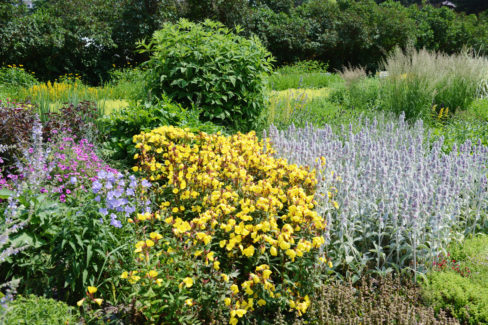
Before you start digging, take a quick look at your garden’s light and soil conditions. When it comes to design, you can’t go wrong with complementary colors—think blues and purples to make that yellow pop! Lavender, summer sage, or the tall, airy purple stems of Verbena bonariensis look absolutely stunning next to the bright yellow of the evening primrose.
How to design a harmonious garden bed
Beyond just matching up growing conditions, aesthetics are key to a garden you’ll love looking at. You want to mix different growth habits, harmonize your colors, and vary your flower shapes to keep things interesting. The flowers should really be the star of the show. A wild mix of colors creates a fun, lively vibe, while sticking to just a few shades feels elegant. If you want something romantic, try a “tone-on-tone” gradient. My best tip? Sketch out a planting plan on paper before you head to the nursery!