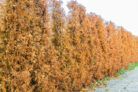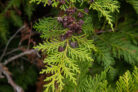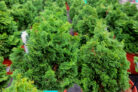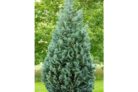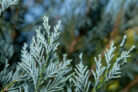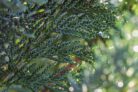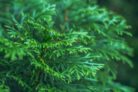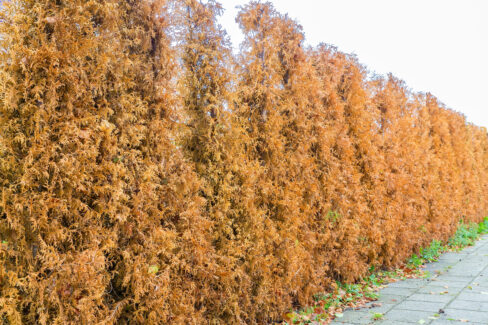
The Blue Lawson Cypress is one tough conifer, provided it’s sitting in the right spot and getting a little TLC. If you start seeing those dreaded brown patches, it’s usually a sign that things are getting a bit too soggy. Here’s my guide on how to spot trouble early—whether it’s a disease or a pest—and exactly what you can do to save your tree.
Brown patches on your Blue Cypress? Check your care routine first
If your Blue Lawson Cypress is starting to look a bit crispy or brown, it’s often a “wrong place, wrong plant” situation. These beauties with their signature blue needles crave as much sun as they can get. They’re also pretty sensitive to environmental stressors like road salt or even the neighborhood dog using them as a fire hydrant. Plus, brown spots can often be traced back to a few common gardening mishaps.
To keep yours happy, keep these tips in mind:
- Never let the soil dry out completely, but—and this is a big one—make sure they aren’t sitting in standing water. They hate “wet feet.”
- Always fertilize according to the instructions. Over-fertilizing can be just as damaging as neglecting them entirely.
- Be gentle when it’s time for a trim. When pruning, never cut back into the old, brown wood. Always leave a few green needles on the branch so it can regrow.
Fungal infections love the wrong location
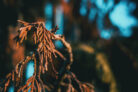
If you’ve planted your cypress in a damp, shady corner, you’re basically inviting fungi to dinner, which leads to stunted growth. You’ll usually spot a fungal issue at the tips of the shoots—they’ll start to die off and turn brown.
If you suspect a fungus is moving in, here’s your game plan:
- Prune away all affected areas generously.
- Make sure to pick up any fallen tips from the ground so the spores don’t hitch a ride to your other garden plants.
- Toss those clippings straight into the household trash—never put diseased branches in your compost pile!
Unfortunately, there isn’t a “magic bullet” chemical spray for this yet. The best defense is a good offense: keep a close eye on your conifers so you can catch and snip away any issues before they spread.
Pests can be a real dealbreaker
The Cypress Tip Moth and the Cedar Bark Beetle are the two main villains that can really do a number on your Blue Lawson Cypress.
Keep an eye out for these red flags:
- The tips of the shoots start wilting and dying back.
- You can see tiny tunnels or “mines” where larvae have been snacking.
- The shoots eventually become hollow inside.
If pests have moved in, your best tool is a sharp pair of shears. You’ll need to aggressively prune out all infested parts of the plant. Just a heads-up: if the infestation is severe or caught too late, it can be hard to save the tree, so early detection is everything!