At first glance, it’s super tough to tell the difference between a False Cypress (Chamaecyparis) and a Thuja (Arborvitae). Since they’re both part of the cypress family, they look like twins! However, if you know what to look for, there are a few dead giveaways that will help you tell them apart.
Key Features to Look For
When you’re trying to figure out which evergreen you’re looking at, keep an eye (and a nose!) on these specific details:
- The shape of the treetops
- The color and texture of the foliage
- The scent
- The growing conditions
Check the Treetops
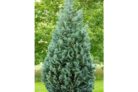
The easiest way to spot the difference from a distance is to look at the very top of the tree. False Cypresses usually have a “nodding” tip—the leader at the top tends to droop or lean over slightly. Thujas, on the other hand, stand tall and stay perfectly upright.
Foliage and Color
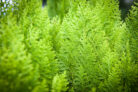
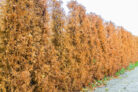
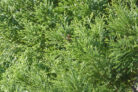
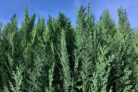
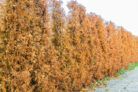
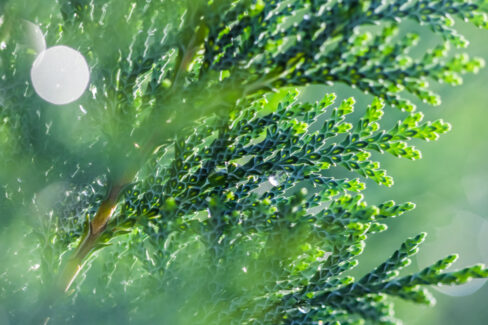
If you look closer at the needles, you’ll notice some subtle differences. False Cypress needles are a bit more delicate and have a slight twist to them. They also stay a vibrant green all year round. Thujas are a bit different; their foliage often “bronzes” or turns a darker, brownish-green during the fall and winter months.
If you’re looking at a Blue False Cypress, that twist in the needles is even more obvious because you’ll see the silvery-blue undersides peeking through!
The “Sniff Test”
Both of these evergreens have fragrant needles, but they smell totally different. False Cypress has a fresh, citrusy scent—think lemons! Thuja has a much spicier, resinous aroma that usually reminds people of Christmas. To get the full effect, grab a few needles and rub them between your palms. Just be sure to wash your hands right after!
Location, Location, Location
These two also have different preferences when it comes to where they live. False Cypresses are sun-seekers and really need a bright spot with plenty of light to stay healthy. Thujas are a bit more flexible and can thrive even in shadier corners of your yard. Keep this in mind when you’re planting to make sure they’re happy.
Both plants are pretty hungry for nutrients, but Thujas are especially heavy feeders. You’ll find yourself reaching for the fertilizer a bit more often with a Thuja than you would with a False Cypress.
One Big Thing in Common: They’re Toxic
While they have plenty of differences, they share one very important trait: both are toxic. The essential oils in these plants can be quite irritating. This is why I mentioned washing your hands after the sniff test—touching your face or eyes with those oils on your skin can cause nasty rashes or irritation.
If you have curious toddlers or pets who like to nibble on the garden, you might want to skip these two and look for a more family-friendly evergreen option instead.