Technically, you don’t *have* to prune a Blue Lawson Cypress at all. But if you’re using these fast-growing evergreens as a natural windbreak or a privacy screen, a little light maintenance goes a long way in keeping them looking sharp. Here are my favorite tips for getting that perfect trim without stressing your trees.
How to Get the Perfect Cut
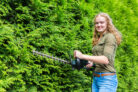
To keep your hedge looking its best, you’ll want to grab your shears once or twice a year. The sweet spots for pruning are early spring and again in the fall.
Here’s your game plan:
- Safety first: Always wear gardening gloves! Blue Lawson Cypress is actually toxic, and even just brushing against the foliage can cause skin irritation for some people.
- Less is more: Be conservative with your cuts. It’s much better to prune lightly and often than to hack away all at once.
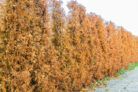
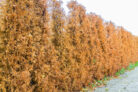
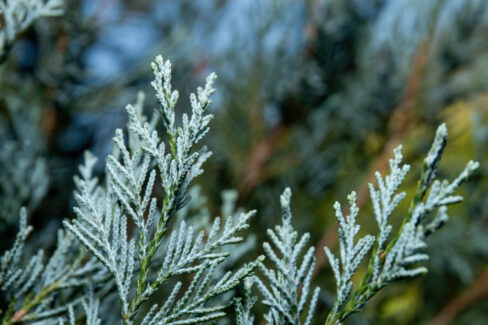
- Stay in the “green”: Never cut back into the old, brown wood. These trees won’t regrow from old wood, so you’ll be left with a permanent bare spot.
Avoid a “hard prune” whenever possible. It’s really tough on the tree, and conifers take a long time to bounce back from a heavy-handed haircut.
The one exception is a pest infestation. In that case, you’ll need to prune aggressively to stop the bugs from spreading to the rest of your garden—or your neighbor’s yard!
Do You Really Need to Prune?
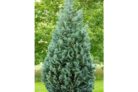
If you’ve planted your cypress as a standalone specimen tree, you can pretty much let it do its thing. Unlike some other evergreens, the Blue Lawson Cypress stays nice and full even as it ages, provided it gets enough sunlight.
However, if you have a fast-growing variety that’s getting a bit too tall for comfort or creeping over the property line, a quick trim is a good idea. Just remember to always leave some green needles on every branch you cut; otherwise, the tips will turn brown and stay that way.
Keeping Your Hedges Happy
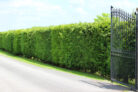
To keep a hedge looking manicured, aim for at least one trim a year. I recommend pruning in a slight “taper” or pyramid shape (wider at the bottom, narrower at the top). This ensures the lower branches get plenty of sunlight and don’t die off.
Skip the Compost Pile
When you’re finished, don’t toss those clippings onto your compost heap. The needles contain natural compounds that break down very slowly and can mess with the pH of your compost.
Instead, run the clippings through a wood chipper! You can use the mulch to feed the soil right under your hedge. It’s a fantastic way to recycle nutrients and keep weeds from popping up.