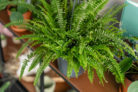
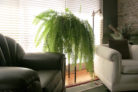
Ferns are having a major moment right now! They’ve become super popular as indoor houseplants, but did you know quite a few varieties can also thrive right in your backyard? Whether you’re looking to green up your living room or add some texture to your garden, here are some of the most popular fern species and what makes each one special.
[[plants]]
++Bird’s Nest Fern (Asplenium nidus)
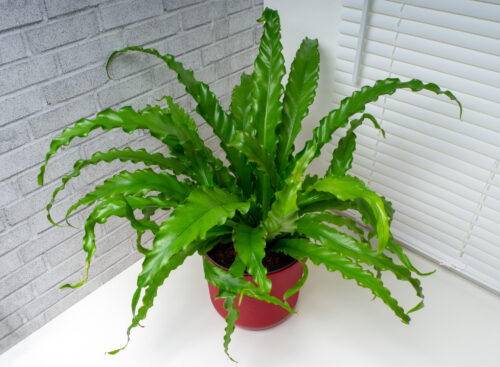
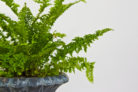
The Bird’s Nest Fern is a fantastic choice for an indoor plant. It features shiny, elegant fronds that can grow up to 6 inches long. What’s really cool is that they all radiate from a central point, creating a rosette that looks just like a bird’s nest—hence the name! To keep this beauty happy, give it a spot at room temperature with plenty of humidity. Pro tip: try to water it with soft water (low in lime) to keep those leaves looking lush.
++Button Fern (Pellaea rotundifolia)
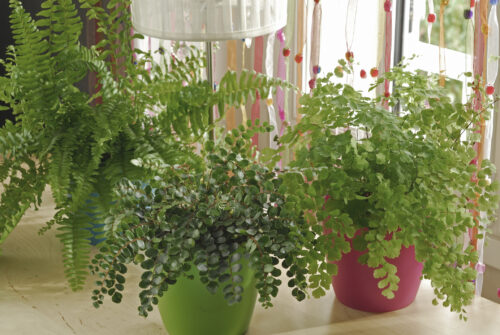
The Button Fern gets its name from its small, round leaflets that look exactly like little green buttons. Because it doesn’t have those typical feathery fronds, some people don’t even realize it’s a fern at first glance! It stays pretty low to the ground, usually topping out around 8 inches, making it a great groundcover for shady or semi-shady spots in your garden.
++Royal Fern (Osmunda regalis)
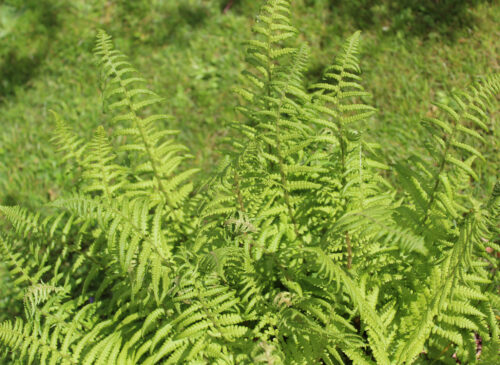
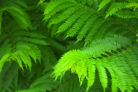
If you want to make a statement, the Royal Fern is your go-to. This plant is absolutely massive, with fronds that can reach up to 5 feet long! Because it gets so wide and tall, most gardeners plant it as a “specimen” or standalone feature. The leaves have a delicate, herbaceous look but feel very stately. Plus, since its numbers are dwindling in the wild, planting one in your garden is a great way to help support ecological diversity.
++Bracken Fern (Pteridium aquilinum)
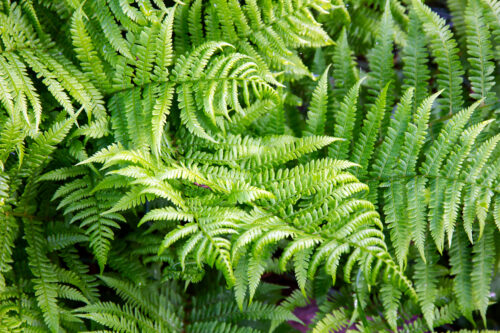
Like the Royal Fern, Bracken is a tall variety that’s perfect for the garden. It’s found all over the world and is known for being a tough survivor. It spreads via underground rhizomes, which means it can grow quite vigorously once it settles in. In the wild, it actually forms a symbiotic relationship with certain fungi to help it thrive for years. These plants are built to last and can live to be very old!
++Southern Maidenhair Fern (Adiantum capillus-veneris)