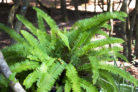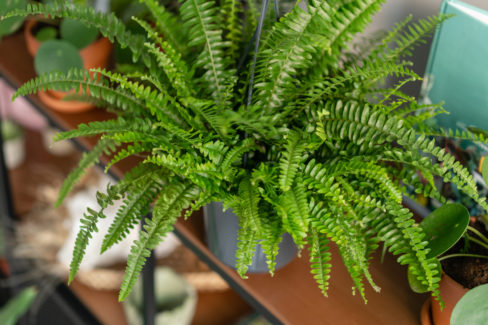
Ferns are some of the oldest plants on our planet, which explains why there are a staggering 12,000 different species out there! Because they’ve been around so long, they’ve evolved into all sorts of shapes and sizes. Even the 101 species native to Central Europe show a ton of variety in how they’re built.
Roots
Most ferns grow from an underground rootstock called a rhizome. From this main base, finer roots branch out into the soil to soak up nutrients. However, keep an eye out for certain types like the Ostrich Fern; these guys send out long runners that can stretch for yards. If they get too comfortable, they can be pretty tough to remove from your garden beds!
The Stem (Rhizome)
Just above the rootstock is the stem, or “shoot axis.” Inside these stems are tiny tubes that act like a plumbing system, carrying water all the way up to the tips of the leaves. The big exception here is the Tree Fern. Instead of a low-growing stem, it eventually develops a woody trunk, making it look more like a palm tree than a typical woodland fern.
Fronds
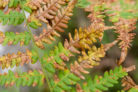
The most iconic part of any fern is definitely its fronds. This is where you really see the diversity of the species. You’ll find everything from simple, smooth leaves to complex, multi-pinnate fronds that look like delicate lace. They aren’t just green, either! Depending on the variety, your ferns might show off three main colors:
- Vibrant Green
- Deep Red
- Silvery Gray
Other Unique Features
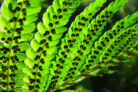
One of the coolest things about ferns is that they don’t follow the usual rules of garden plants—they never bloom. Since they don’t produce seeds or fruit, they have no need for flowers. Instead, they reproduce using tiny spores located in cases on the underside of the fronds. For us gardeners, this means you can’t just go out and buy a packet of seeds; you’ll usually need to use cuttings or divisions to start new plants. That said, you often won’t have to lift a finger—those spores are experts at spreading on their own, helping the plant pop up all over your garden!