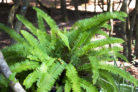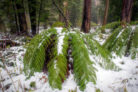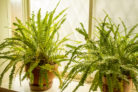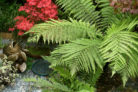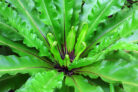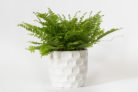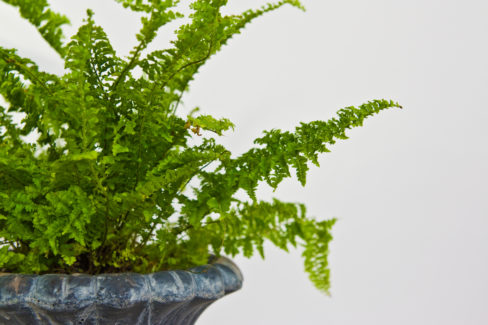
With over 17,000 different species known worldwide, you’d think it would be impossible to make a blanket statement about when ferns bloom. But here’s the fun part: it’s actually the easiest question in the gardening world. Why? Because no fern species—not a single one—ever produces a flower.
One of the World’s Oldest Plants
Ferns are true “living fossils.” Their history stretches back much further than most other plants on Earth, originating long before the evolution of flowers or fruit. Because they belong to such an ancient lineage, they don’t produce seeds at all. Instead, they reproduce via tiny spores. So, if you decide to add some lush greenery to your backyard, just keep in mind that you’ll never see a “bloom season” for your ferns.
A Little Bit of an Optical Illusion
Now, there is one exception that might trick your eyes: the Royal Fern. While it doesn’t actually flower, its spore clusters can look a whole lot like blossoms from a distance. The Royal Fern regularly sends up these large, brownish spore-bearing fronds that have a distinct floral vibe. Most other fern species, however, keep their spores in small round or oblong capsules on the underside of their leaves, which look nothing like a traditional flower.
Why Do I See “Flowering Ferns” for Sale?
If you’re browsing your local nursery or garden center, you might occasionally see plants labeled as “flowering ferns.” Don’t let the marketing fool you! Biologically speaking, these aren’t ferns at all—they’re usually Gloxinias. These plants grow fronds that look remarkably like fern foliage, and like many ferns, they are great for planting in containers. If you do decide to go with a Gloxinia, here are a few quick tips:
- Depending on the variety, they typically bloom in the spring or summer.
- They love a spot with full sun to partial shade.
- During their blooming phase, they produce beautiful pink and yellow flowers.