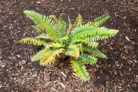
Generally speaking, you won’t have much to worry about when it comes to diseases and your garden ferns. They aren’t exactly high on the “must-eat” list for fungi or common garden pests. However, under the right (or rather, wrong) conditions, you might still run into a few issues.
Indoor ferns are a bit more sensitive
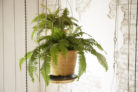
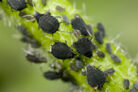
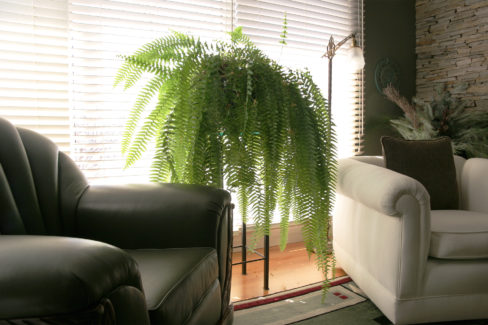
The risk of pests and diseases goes up quite a bit for ferns grown in containers or kept as houseplants. These indoor varieties tend to be a little less hardy than their outdoor cousins. If your plant’s immune system is a bit weak, keep an eye out for these common culprits:
- Spider mites
- Scale insects
- Leaf nematodes
- Fungus gnats
How to tackle pests
Since you aren’t growing your fern to eat, and indoor plants are usually isolated from your veggie garden, you can be a bit more aggressive with treatment. A popular “tough love” method involves using rubbing alcohol. If that feels a bit too intense for you, try a gentler approach by mixing some insecticidal soap (or a mild liquid soap) with water and spraying the fronds. For the best results, a combo of soap and alcohol usually does the trick. If you’re dealing with fungus gnats, those classic yellow sticky traps work wonders.
Pruning away brown leaves
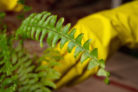
A pest infestation can often lead to your fern developing brown leaves. You’ll want to snip these off—along with any other infested parts—as soon as you spot them. This helps prevent the bugs from migrating to your other houseplants. For the same reason, make sure you don’t toss those trimmings in your compost pile; bag them up and put them in the regular trash instead.
Don’t mistake spores for spots!
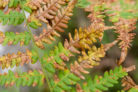
As I mentioned, fungal infections are super rare for ferns. So, don’t panic if you see rows of little brown spots on the underside of the fronds! Those aren’t signs of a disease or a fungus—those are actually spore cases, which is just how the fern reproduces. It’s a sign of a healthy, happy plant!