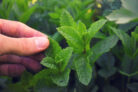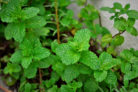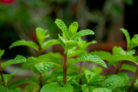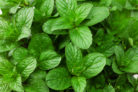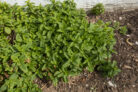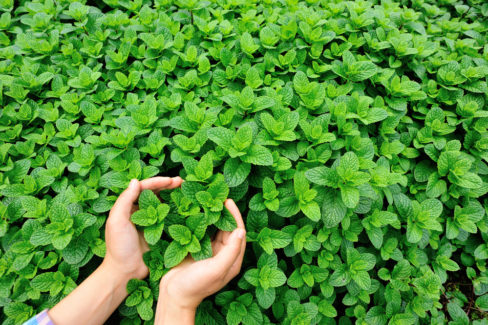
Mint is a hungry little plant, but we love it because of that incredibly refreshing aroma. Here’s the thing: whatever you feed your mint eventually ends up in your system when you brew that tea or mix that mojito. That’s why it’s so important to choose fertilizers that are good for the plant *and* good for you.
Skip the Chemicals
If you’re growing mint in your own backyard, you probably want it to be as healthy and pure as possible. Harvesting high-quality mint just doesn’t vibe with harsh chemical sprays or synthetic fertilizers. Do yourself a favor and leave those mineral fertilizers on the store shelf.
Natural Fertilizers for Your Mint
If you plan on eating or drinking your mint (and let’s be honest, who doesn’t?), stick exclusively to organic fertilizers. Your best bet is always homemade compost made from healthy, pesticide-free kitchen and garden scraps. If your mint is growing directly in a garden bed, these are also great options:
- Well-aged horse manure
- Nettle or comfrey tea (liquid fertilizer)
- Horn meal or horn shavings
- Wood ash (a great source of potassium)
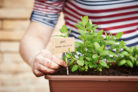
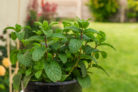
For potted mint, store-bought organic liquid fertilizers or fertilizer spikes are super convenient. While you *could* mix a little compost or manure tea into your watering can, the smell might be a bit much if your mint is living in the kitchen or right on the balcony.
Pro Tip:
Just because a fertilizer is “organic” doesn’t mean it’s automatically free of everything bad. Always look for a certified organic label to ensure you’re getting the cleanest quality.
The Perk of Going Organic
Great flavor takes time to develop. Synthetic mineral fertilizers give plants a massive “sugar rush” of nutrients, forcing them to grow way too fast. Instead of high-quality leaves, you just end up having to prune the plant constantly. Organic slow-release fertilizers are different. They need to be broken down by soil microbes first, which means they release nutrients steadily over a long period. Plus, it’s almost impossible to over-fertilize this way!
Feeding Mint in Garden Beds
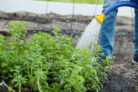
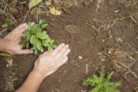
There’s no “one size fits all” rule here because it really depends on your soil, the location, and how big your plant is. Often, a good helping of compost in the spring is all it needs. If your mint is thriving, you can take it easy on the feeding. However, if your soil is a bit sandy or the plant is massive, you might want to fertilize every two weeks from May through August.
Feeding Potted Mint
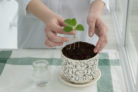
Potted mint is easiest to manage with organic liquid fertilizer or spikes. Just follow the dosage instructions on the bottle. Keep in mind that if you use fresh potting soil when planting or repotting (which you should do about every two years), that soil is already packed with nutrients. In that case, you can actually skip the fertilizer for the first year!