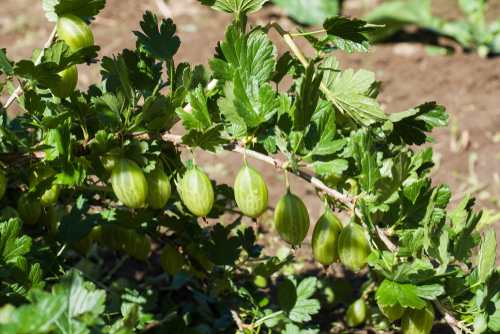
Gooseberries are a bit of a unique case in the garden. They’re shallow-rooted, yet they’re “heavy feeders,” meaning they have a big appetite for nutrients. Knowing this is key to getting your fertilization routine right. Here’s the lowdown on when and how to feed your bushes for the best results.
Going Organic with Your Gooseberries
If you can give your gooseberries loose, nutrient-rich soil, they’ll reward you with a massive harvest. Because these shrubs burn through nutrients pretty quickly during the growing season, you’ll want to top them off every now and then. Most home gardeners these days are ditching synthetic chemicals in favor of organic alternatives—which is always a smart move when you’re growing something you plan on eating!
In early spring, rake a good helping of ripe compost into the soil. Since gooseberries have shallow roots, be careful not to rake too deeply or you might damage them; just a light surface integration is perfect. Along with the compost, a handful of horn meal (or a similar slow-release organic nitrogen source) works wonders. You can also try these organic options:
- Well-rotted manure
- Nettle tea (liquid fertilizer)
- Seaweed/Algae
- Fern mulch
- Rock dust (for minerals)
I recommend three main feedings: once in early spring, again right after they bloom, and a third time immediately after harvest. Except for the liquid nettle tea, most of these organic fertilizers act like a mulch layer, which gives you some awesome bonus perks:
- The soil stays moist longer
- It keeps the weeds at bay
- Nutrients are released steadily over time
No Compost? No Problem!
Not everyone has the space for a massive compost pile in their backyard. If you’re working with a smaller space, a “worm bin” (vermicompost) is a total game-changer. It’s basically a compact box where red wiggler worms turn your kitchen scraps into “black gold.”
A typical worm bin setup looks like this:
- A two-tier system
- The bottom level is where the worms hang out and work
- The top level is where you harvest the finished, nutrient-dense compost
Building your own worm farm is a fun weekend project and totally doable if you’re even a little bit handy. You can find tons of step-by-step guides online to get you started.
Watch Out for Those Prickles!
As the name suggests, harvesting gooseberries can be a bit of a prickly situation. I highly recommend wearing a pair of thorn-proof gardening gloves (rose gloves work great). If you’d rather skip the armor altogether, you might want to plant a thornless variety like “Larell” next time!