There are two pesky diseases that can really make life difficult for your gooseberries. While one thrives when the sun is shining, the other loves to wreak havoc during wet, rainy spells. Here’s the lowdown on what to look out for and how to fight back.
American Gooseberry Mildew
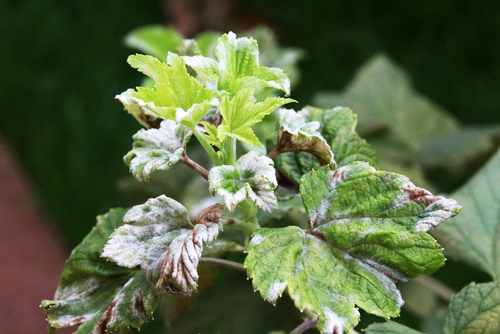
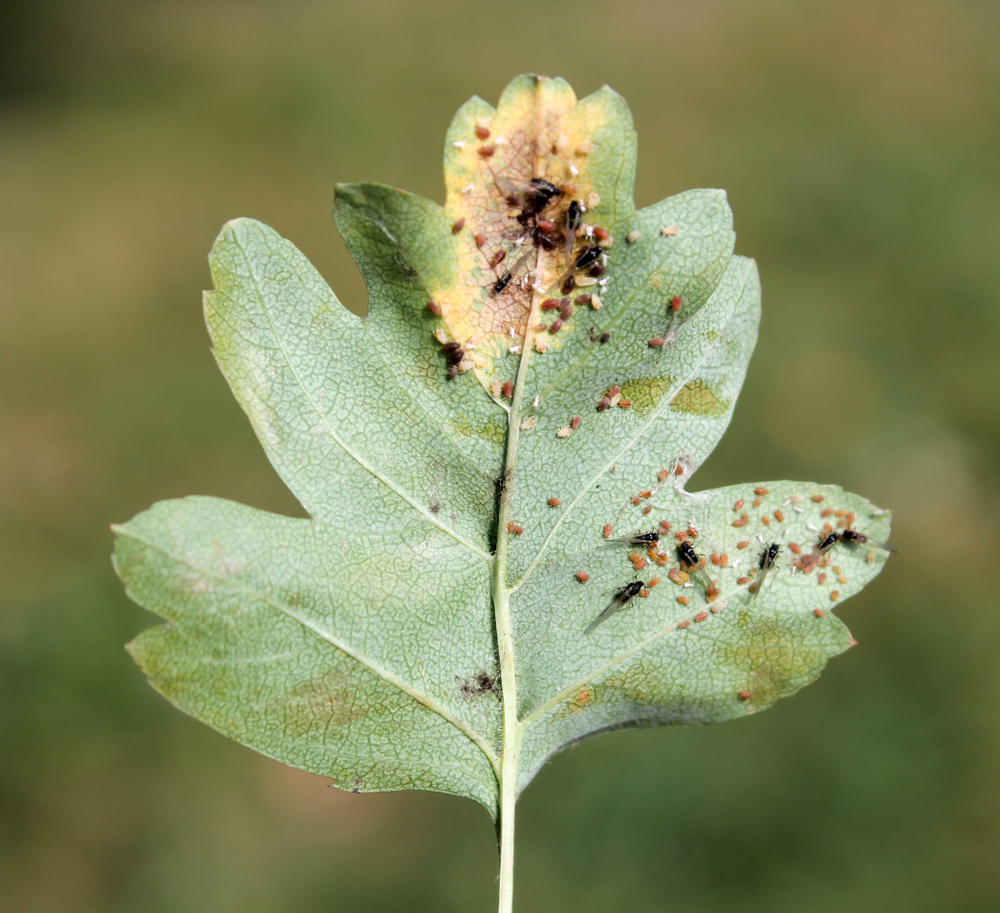
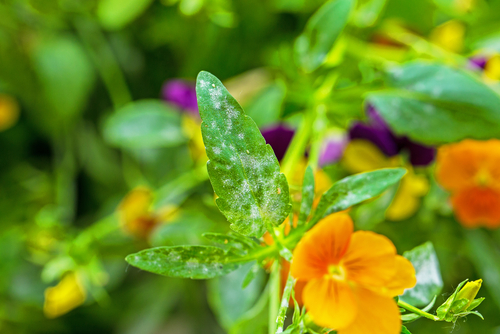
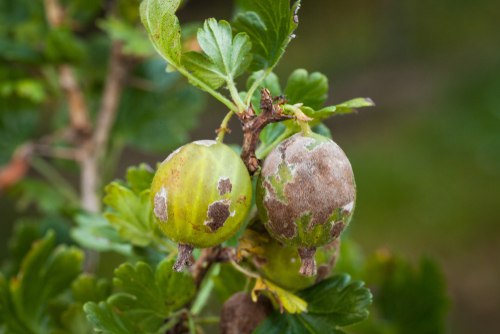
Whenever we get those beautiful, warm, sunny summer days, your gooseberries are at high risk for American Gooseberry Mildew. This is a fungal infection caused by *Sphaerotheca mors-uvae*, and unfortunately, it’s pretty common. You’ll know you have it if you see a powdery white coating on the leaves, shoot tips, and the fruit itself. Over time, this “mildew” turns brown, causing the berries and leaves to dry up and eventually rot.
Here’s how to handle this fungus:
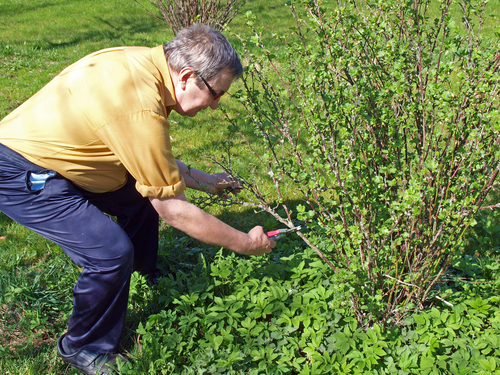
- Carefully prune away all infected shoots.
- Trim back healthy shoots by about two inches (5 cm).
- Dispose of all clippings in the regular trash—never the compost!
Putting infected plant parts in your compost is a big no-no, as the spores can easily spread to the rest of your garden. Stick to the household trash to be safe. Also, make sure to disinfect your pruning shears and garden tools afterward so you don’t accidentally pass the fungus to your other plants.
For a DIY remedy, you can mix up a solution of baking soda, castile soap (like Dr. Bronner’s), and a little vegetable oil. Mix this into about a half-gallon (2 liters) of water and give your gooseberry bush a good spray. To prevent future outbreaks, keep your bushes well-pruned. Good airflow and plenty of light are your best friends here; they make it much harder for pathogens to take hold and prevent spores from overwintering on the branches.
Leaf Spot Disease (Anthracnose)
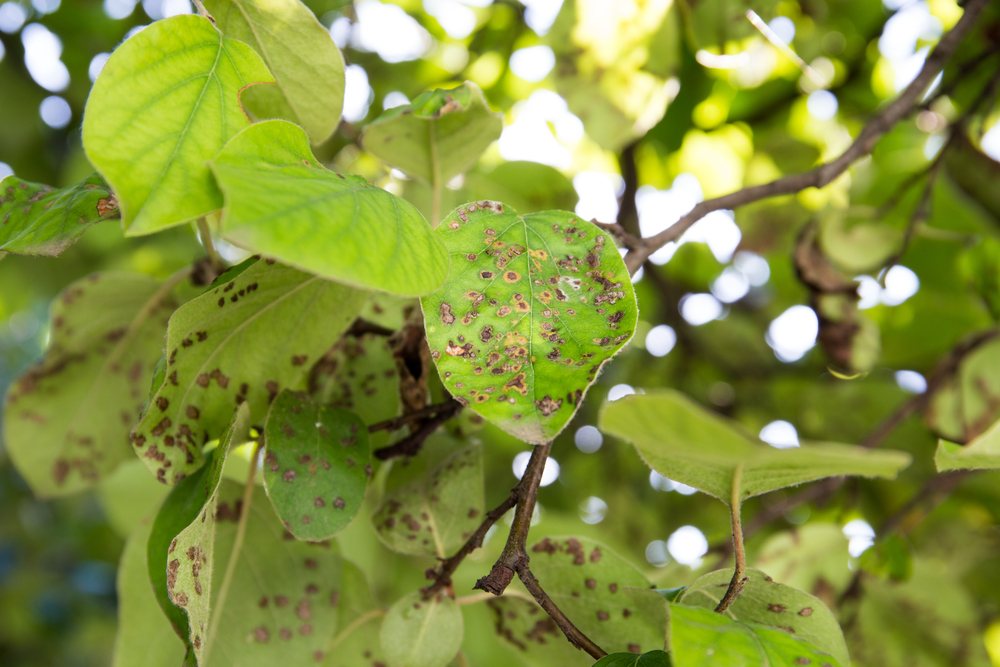
While American Gooseberry Mildew loves the sun, Leaf Spot Disease (also known as leaf fall disease) strikes during rainy, damp weather. You’ll recognize this one by small brown spots on the leaves that eventually merge together. The edges of the leaves will turn yellow, and before you know it, the whole bush might drop its leaves prematurely. Unfortunately, there isn’t a “cure” once it takes hold, so prevention is the name of the game.
Here’s how to keep your plants protected:
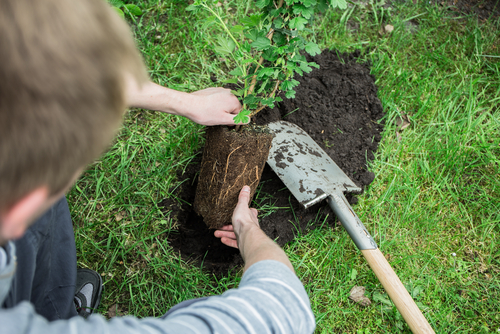
- Give your plants plenty of space—stick to the recommended planting distances.
- Avoid planting in very dry, sandy, or nutrient-poor soil.
- Keep the bush thinned out with regular pruning.
- Strengthen the plant’s natural defenses with horsetail or nettle tea (liquid manure).
- Rake up and remove fallen leaves immediately.
- Make sure to water your gooseberries thoroughly in the early morning.