Potatoes are surprisingly easy to grow, whether you’ve got a sprawling backyard or just a few containers on your patio. The secret to a bumper crop? Keeping them happy with consistent water and the right nutrients. Here’s the lowdown on how to get those spuds thriving.
Getting Started
Potatoes love a warm spot with plenty of sunshine—that’s where they’ll really take off and give you the best harvest. They’re big fans of rich, loamy soil. If your garden soil is a bit on the sandy side, don’t worry; just mix in some well-rotted manure or compost to give it some body.
When you’re ready to get them in the ground, give them some elbow room. Aim for about 16 to 20 inches between rows and a planting distance of about 16 inches between each seed potato. This gives the tubers plenty of space to grow nice and big.
Watering Wisdom
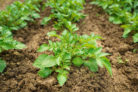
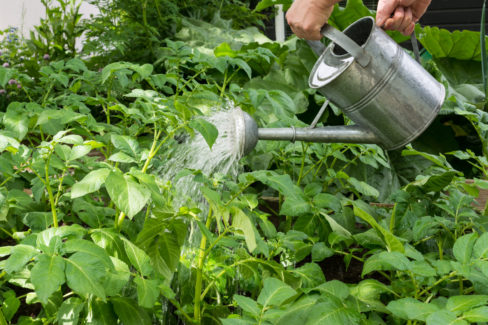
Potatoes grow fast and produce a lot of foliage, so they get thirsty! If you’re using a sprinkler system, letting it run for about 20 minutes during dry spells usually does the trick. If you’re watering by hand with a watering can, it’s a bit more of a workout, but the goal is the same: give them a deep, thorough soak.
In the heat of summer, you might need to water twice a week. However, if Mother Nature is providing plenty of rain, put the hose away. Potatoes hate “wet feet” (standing water), which can cause the tubers to rot.
If you’re growing a small patch or using pots, try using rainwater if you can. Pro tip: Potatoes appreciate water that isn’t ice-cold. Fill your watering can the day before and let it sit in the sun to warm up. Also, try to water in the morning. This gives the leaves time to dry out during the day, which is your best defense against the dreaded late blight .
Feeding Your Spuds
If you mixed in plenty of compost or aged manure when you first planted, your potatoes probably won’t need any extra snacks during the summer. The same goes if you used horn meal. But, if you notice the plants looking a bit stunted or the leaves turning yellow, it might be time for some fertilizer .
Organic liquid feeds, like homemade nettle tea, are fantastic for a nitrogen boost. Just remember to dilute it well—usually one part “tea” to ten parts water—and apply it while you’re watering.
Quick Tip: Try to keep the leaves as dry as possible to prevent fungal issues like blight. It’s always better to water deeply and less often than to give them frequent, shallow sprinkles.