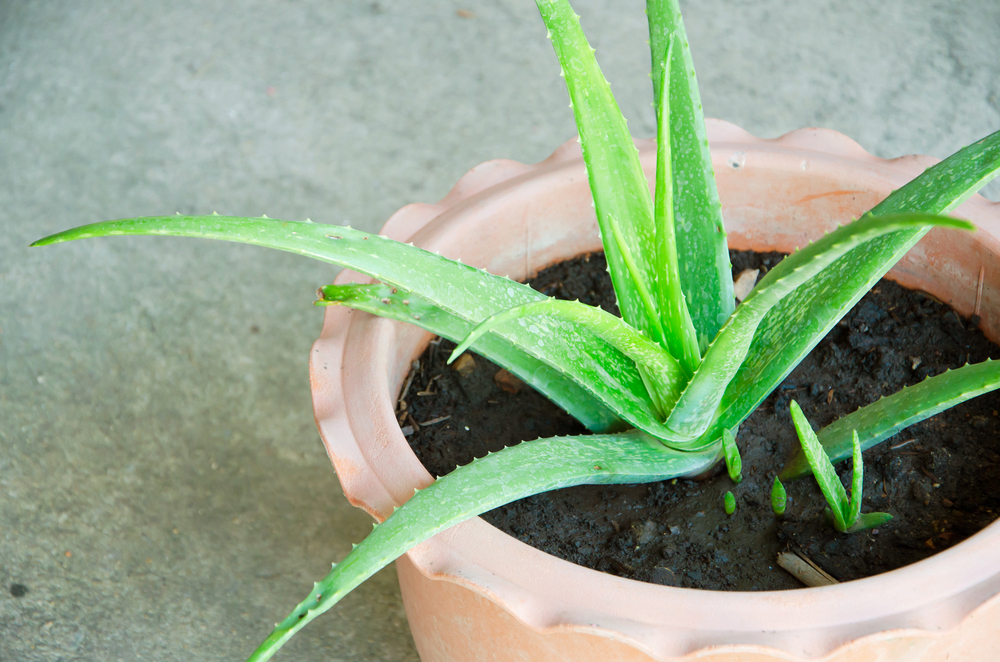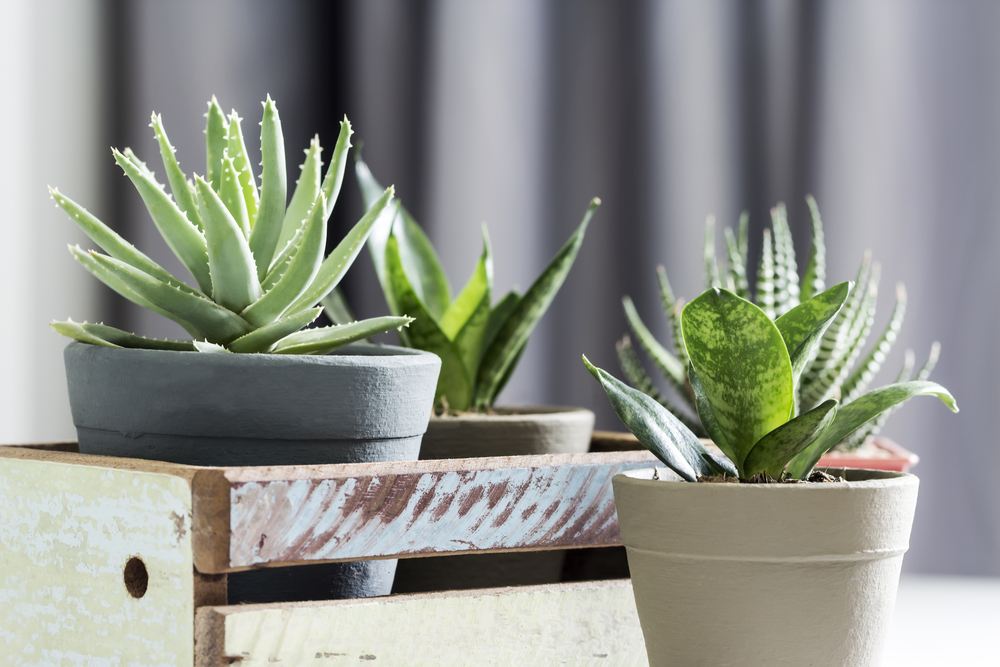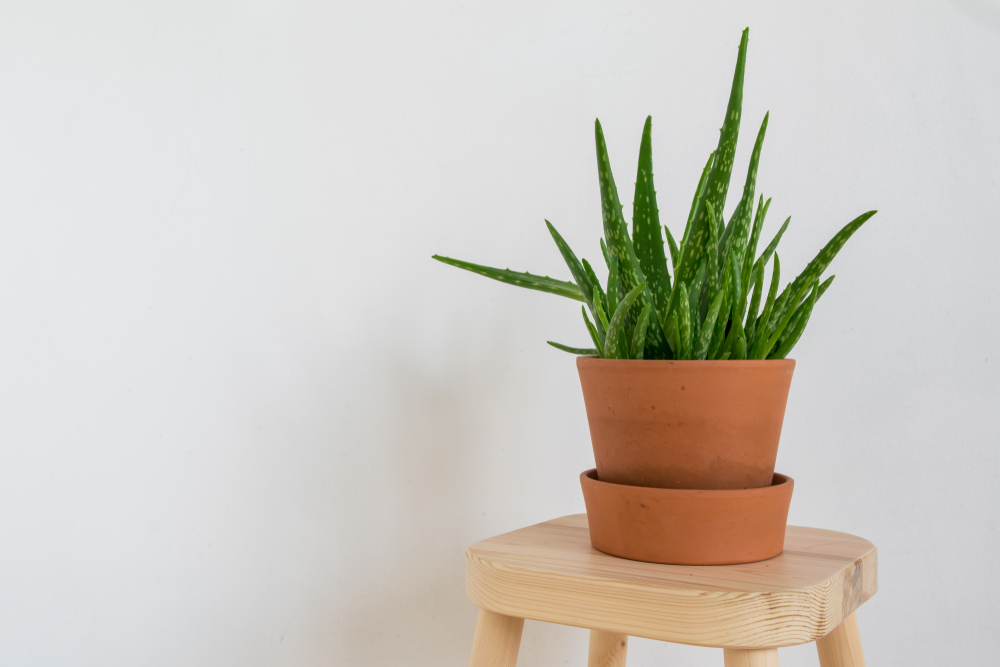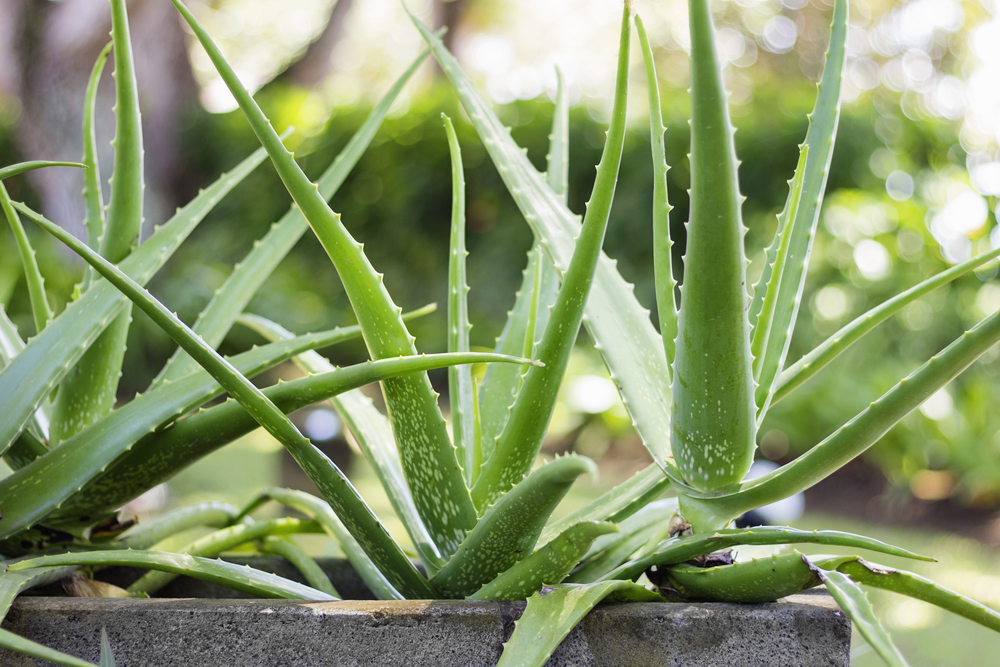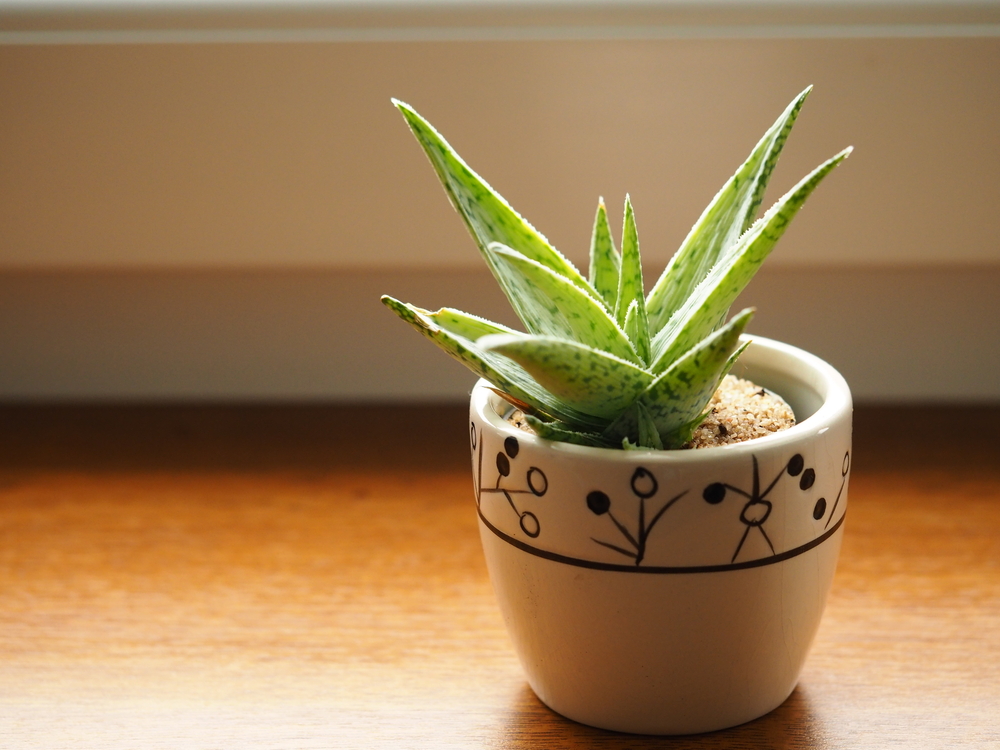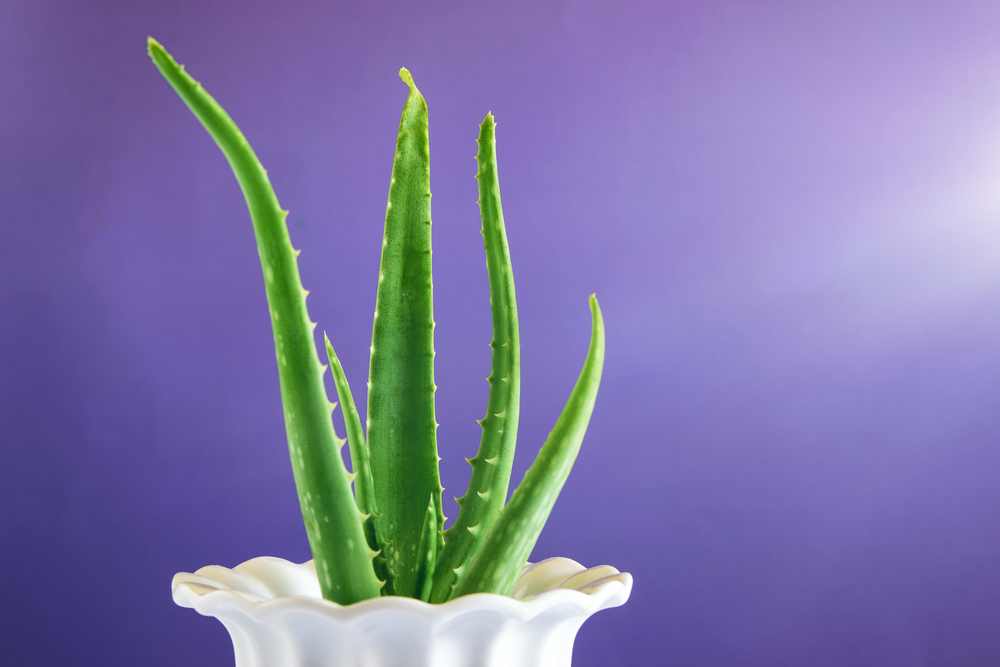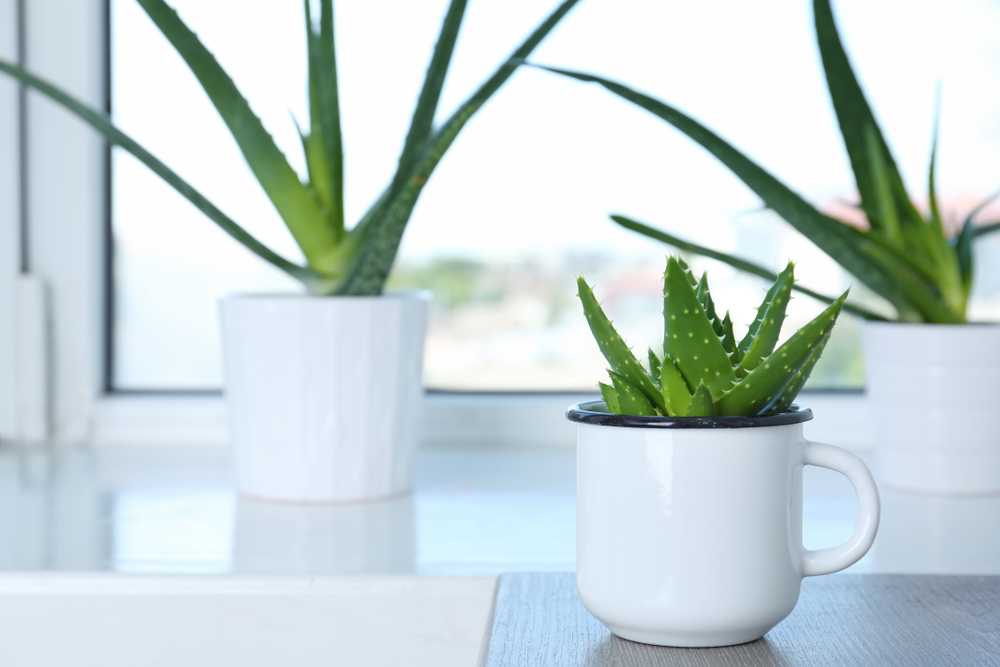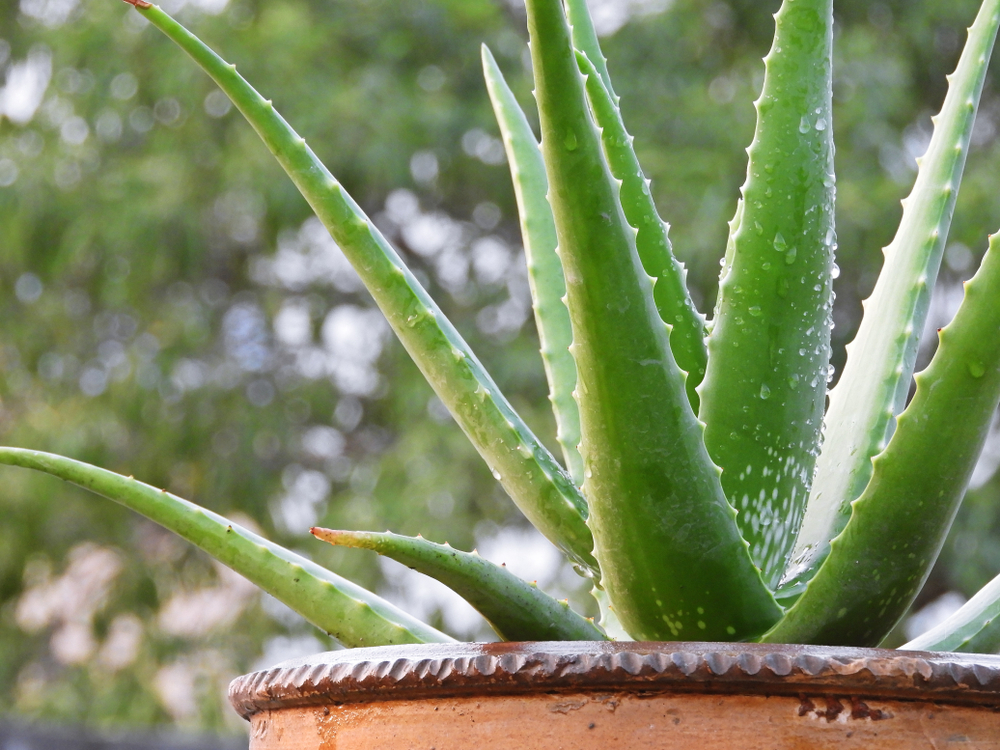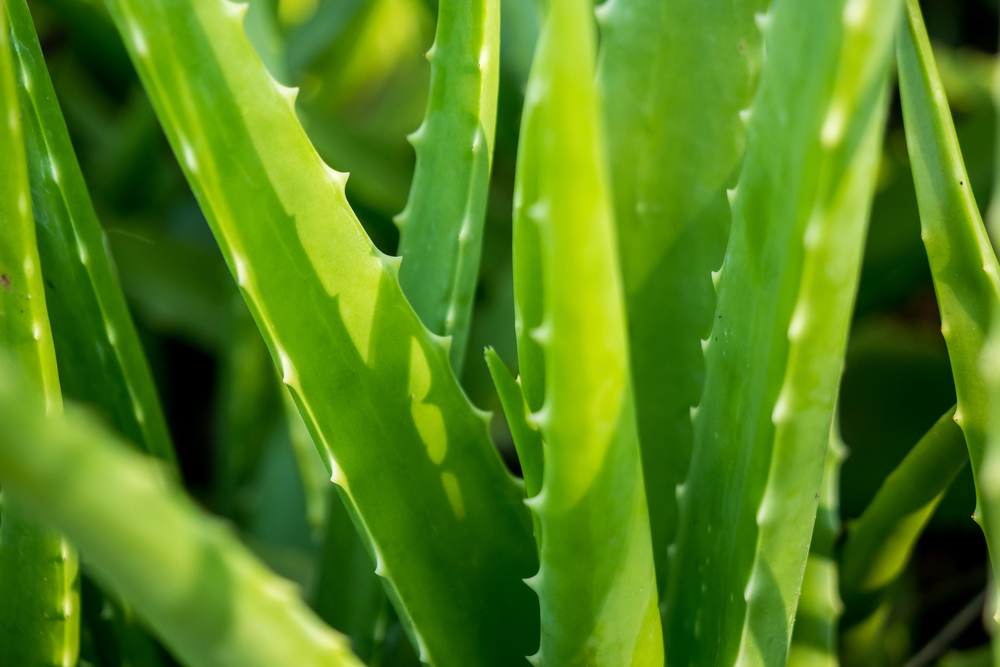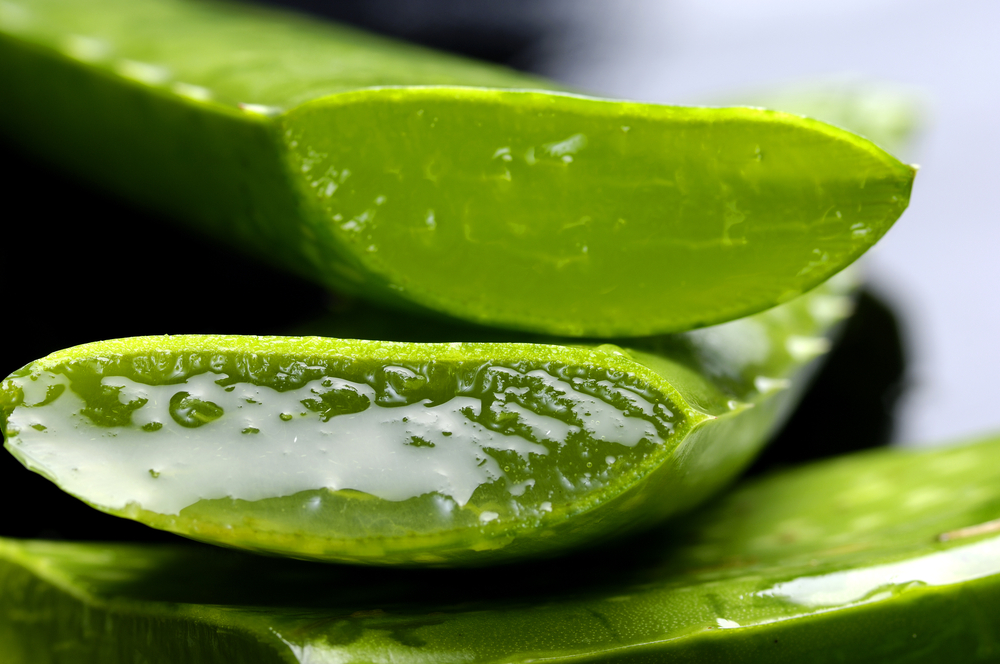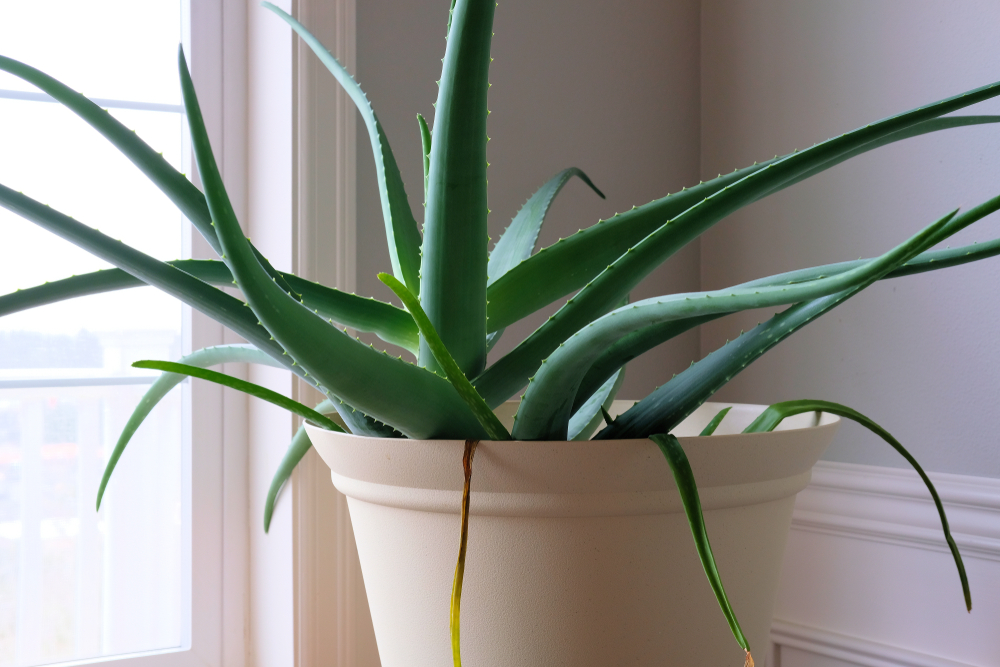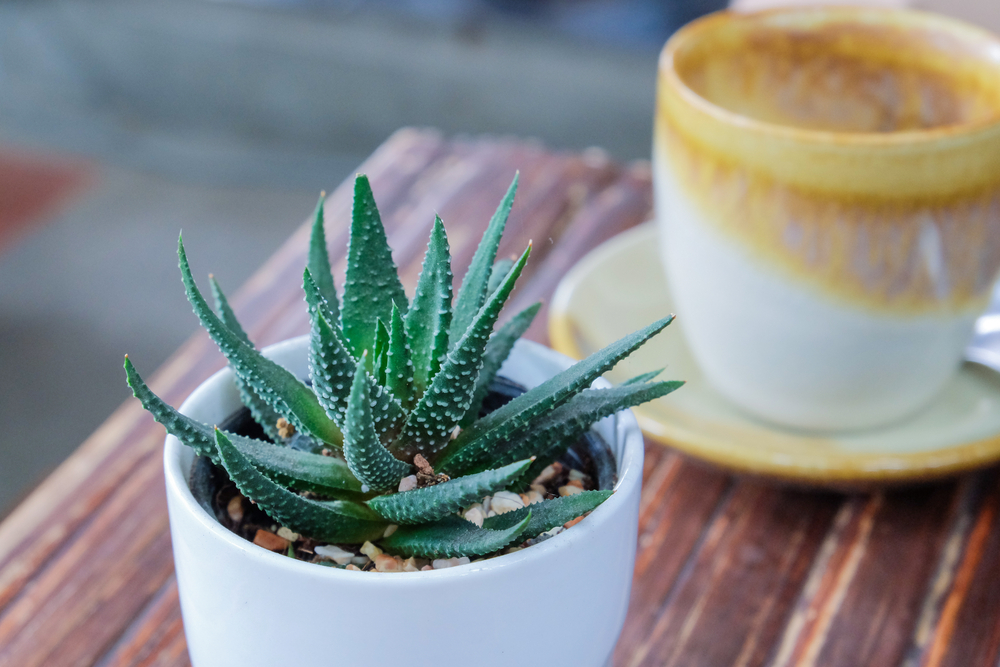
Originally hailing from tropical and subtropical regions, the Aloe Vera is a true sun-worshiper. These plants thrive in heat and dry conditions, using those thick, fleshy leaves to store every drop of water they need to survive. While most of us keep them as houseplants year-round, they actually love a little “summer vacation” outdoors on the balcony or patio once the weather warms up!
Moving Your Aloe Vera Outdoors
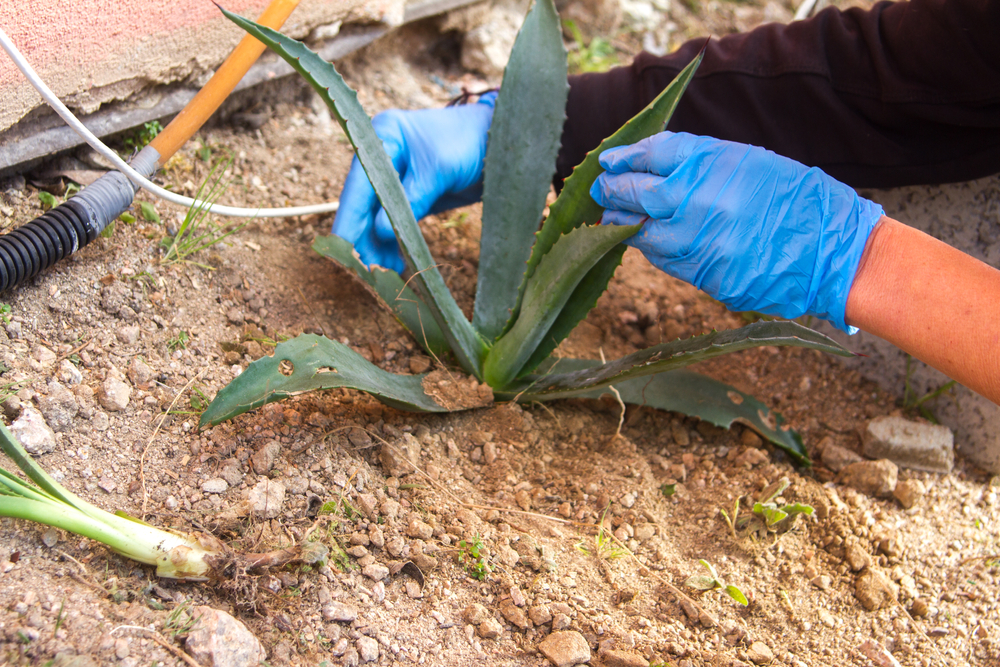
By late spring (usually around early June), temperatures on your balcony should consistently hit at least 70°F—the sweet spot for a happy Aloe. Before you move her to the sunniest corner of your deck, it’s a great time to repot with some fresh soil. Just a heads-up: be super gentle! Never pull an Aloe out of its pot by the leaves, as they snap easily. For the perfect home, your soil should be:
- Well-draining
- Low in nutrients
- Sandy and slightly alkaline
- Relatively dry
I recommend using a specialized cactus or succulent mix. If you’re a DIY fan, you can mix your own using potting soil, sand, and a bit of peat. Adding some granite chips or perlite will help keep the soil airy and prevent root rot. If your plant feels a bit top-heavy after repotting, use a small stake to keep it steady until the roots take hold.
Summer Care Tips
When you first move your Aloe outside, don’t just blast it with sun right away—give it a few days to acclimate. Once it’s settled, try to find a spot that avoids the harsh, scorching midday sun. You’ll also want to protect it from heavy wind, drenching rain, and high humidity. As for watering, wait until the top layer of soil feels dry to the touch (usually every three days or so). During the growing season, you can treat it to some liquid fertilizer once a week.
Wintering Indoors
Since Aloe Vera is a tropical native, it absolutely cannot handle freezing temperatures. Once the air starts feeling crisp in September, it’s time to bring your green friend back inside. To get the best results, let it overwinter in a cool spot (but never below 50°F). This “cool rest” period actually helps the plant recharge its batteries so it can bloom beautifully again next season!