Spring is officially lilac season! To make sure your bushes are loaded with those gorgeous blooms and lush green leaves this year, there are a few simple things you can do right now to get them ready for their big debut.
Lilacs: The Ultimate Sign of Spring
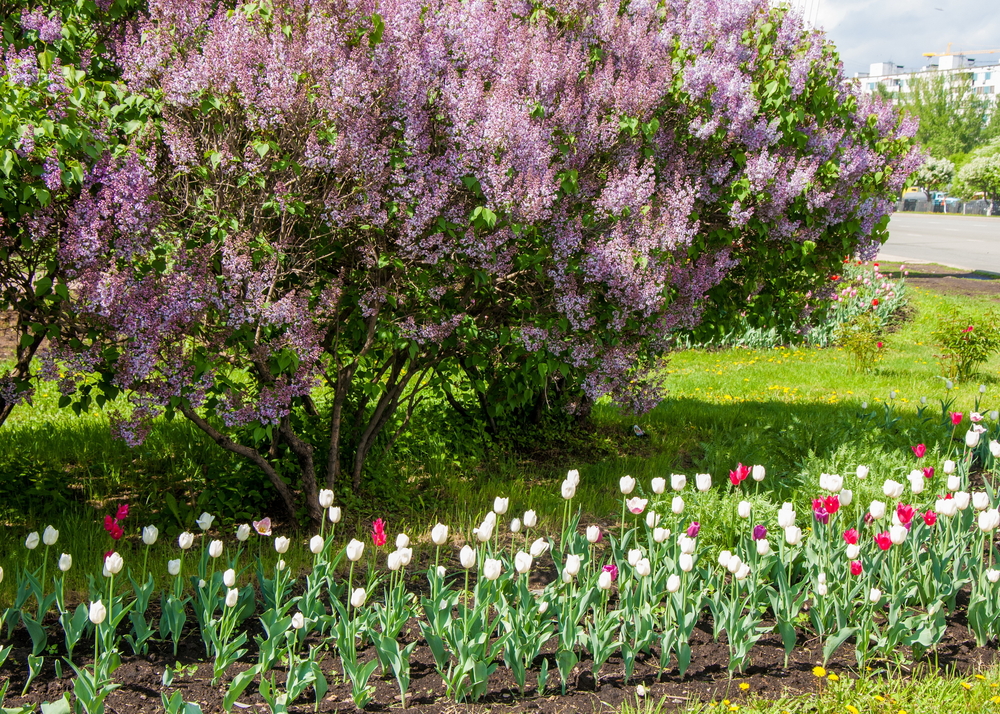
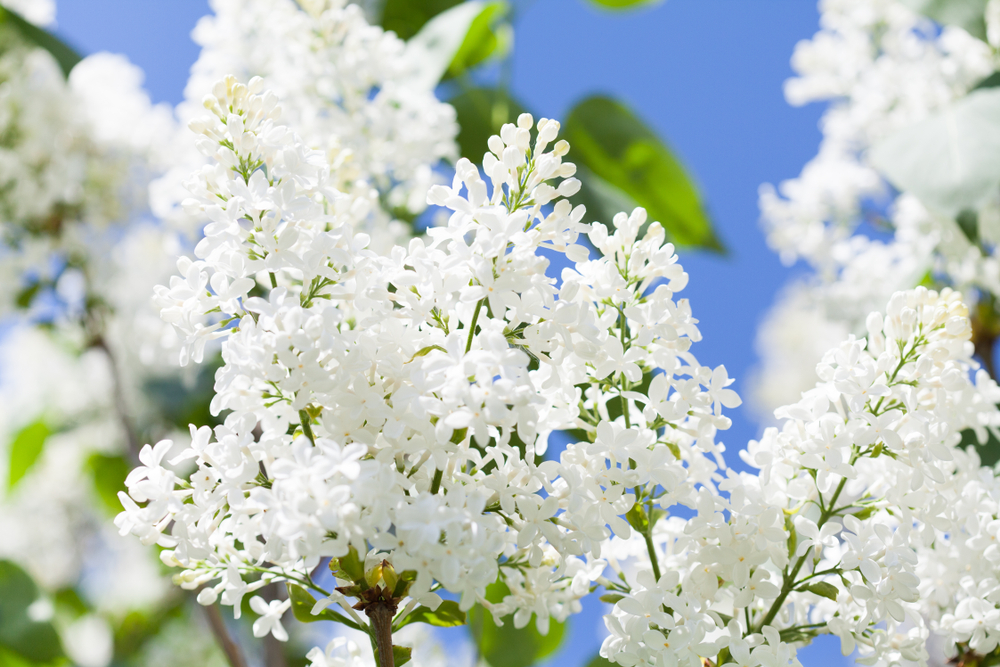
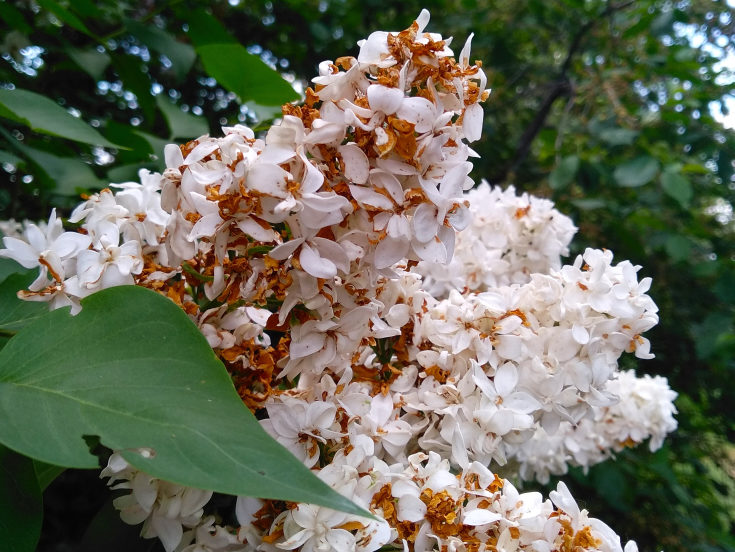
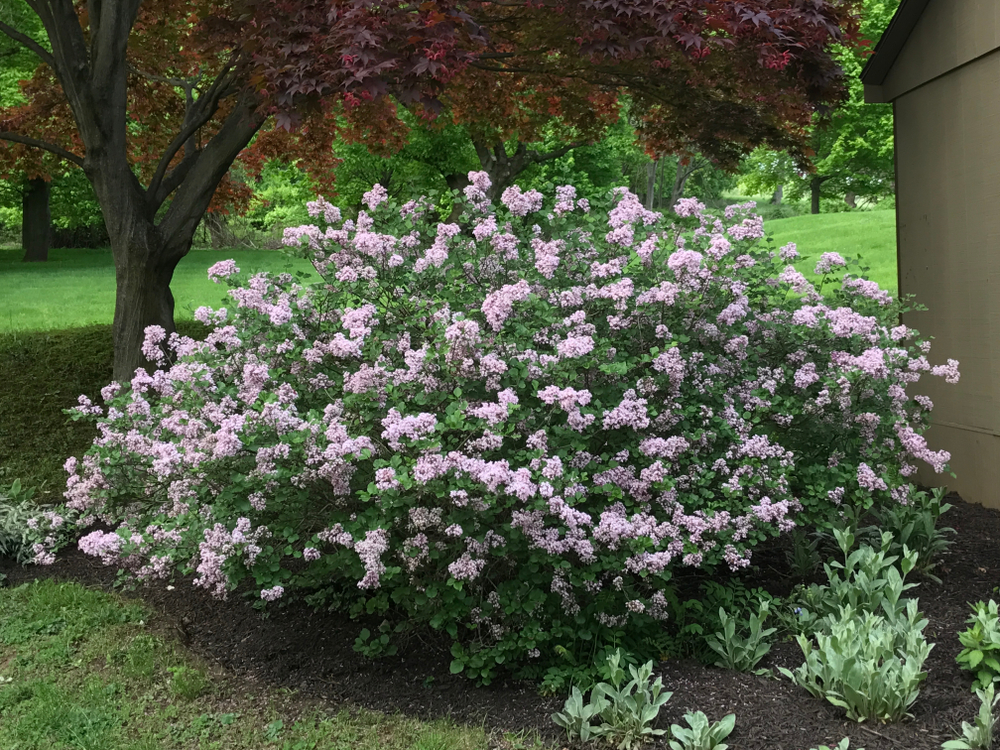
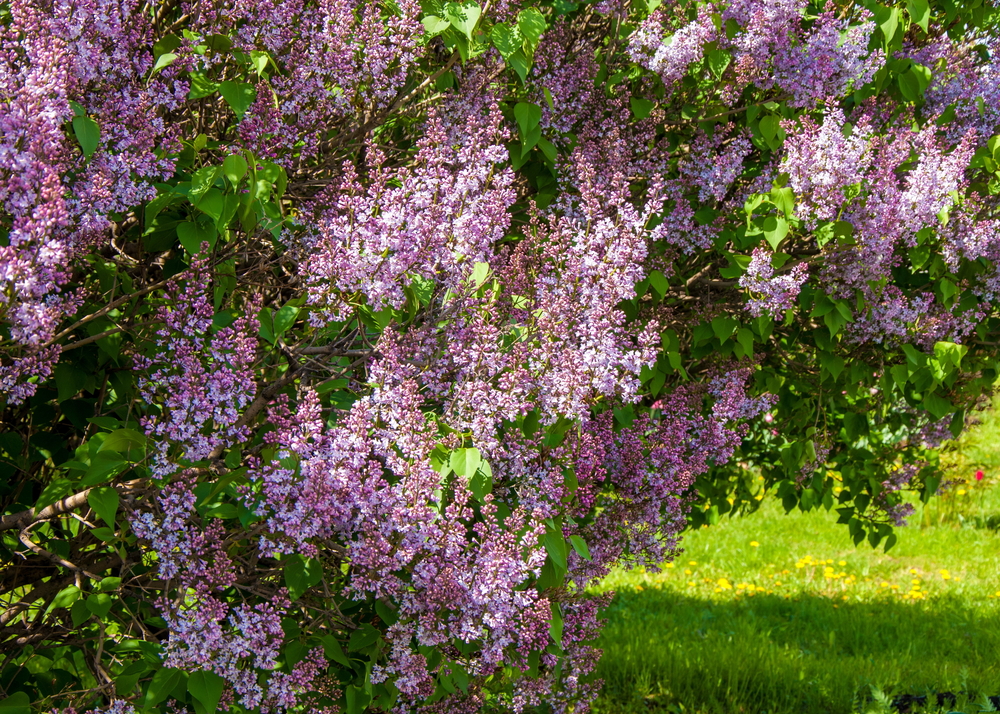
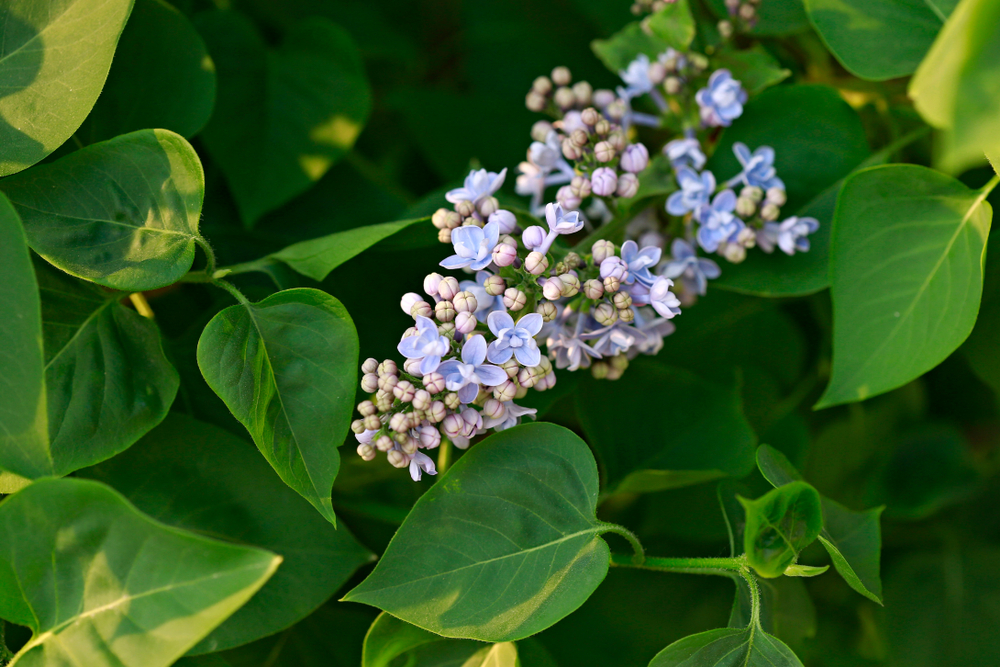
From April through May, lilacs steal the show with their classic shades of white, pale pink, deep violet, and even buttery yellow. Their cone-shaped flower clusters don’t just look amazing—they fill the air with that unmistakable, heady fragrance we all love. Depending on which lilac variety you have, the blooming window can sometimes stretch all the way into June.
For us lilac fans, this is easily the best time of year. It’s not just about our own backyards; you’ll see them popping up in parks and along old fence lines, making the whole neighborhood smell like a dream. Since the blooming window is relatively short, you really want to soak it in while it lasts. Pro tip: If you can’t get enough, look for “late-blooming” varieties at your local nursery to extend the season!
Your Spring Lilac To-Do List
Before the new growth really kicks into gear in early spring, try mixing a little compost into the soil around the base of your plants. If your soil is looking a bit thin or “hungry,” a small handful of horn meal (or a similar slow-release organic nitrogen fertilizer) can give it a nice boost. This helps the shrub produce plenty of healthy foliage. Just a word of caution: don’t go overboard with the nitrogen! Too much of it tells the plant to focus only on growing leaves, which can actually result in fewer flowers. Stick to about a handful, and you’ll be golden.
You’ll also want to give your lilacs a drink every now and then during the spring, especially leading up to and during their bloom time. Just be careful not to drown them—lilacs hate “wet feet” (standing water) and are actually pretty good at finding their own water once they’re established.
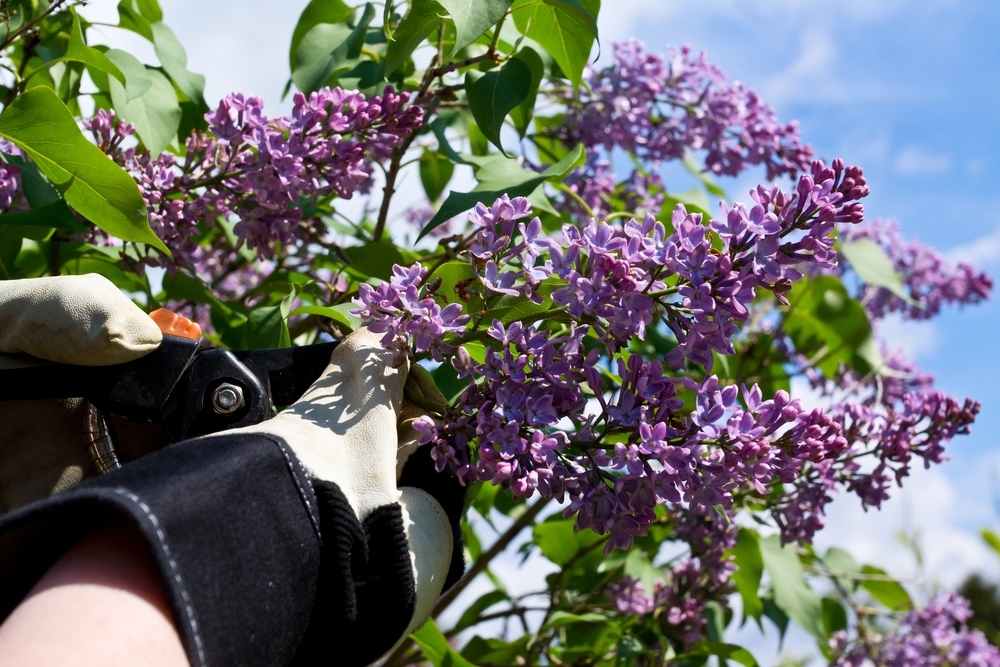
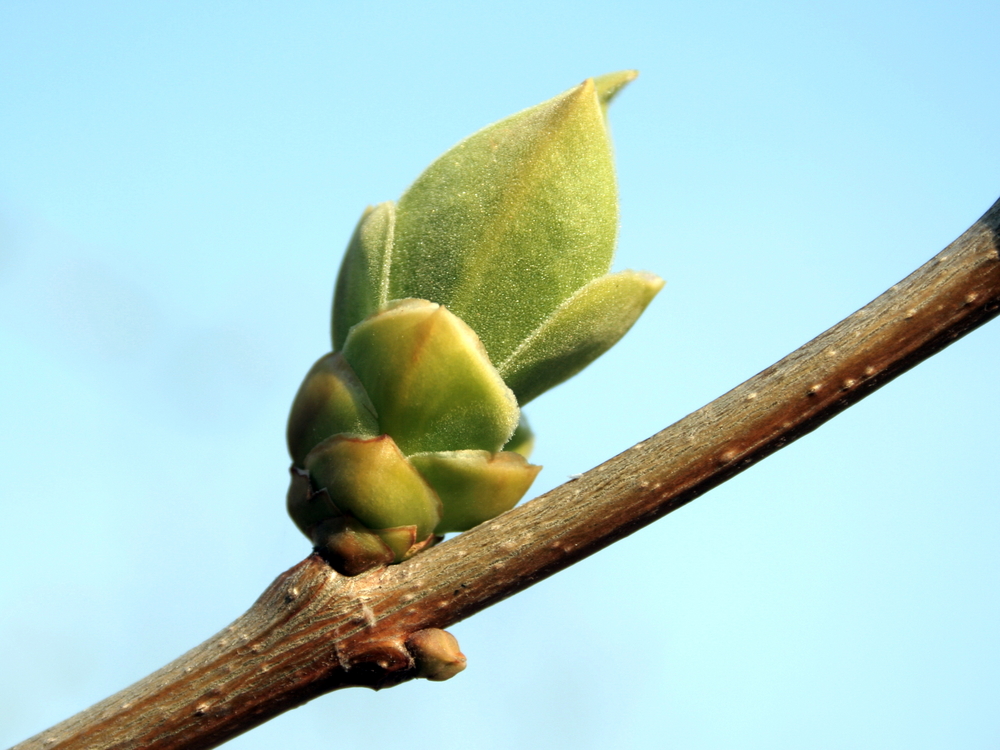
One huge “don’t” for spring: Put down the pruning shears! Lilacs set their flower buds the previous year. If you prune in early spring before they bloom, you’re literally cutting off this year’s flowers. Always wait until *after* the flowers have faded to do your trimming.
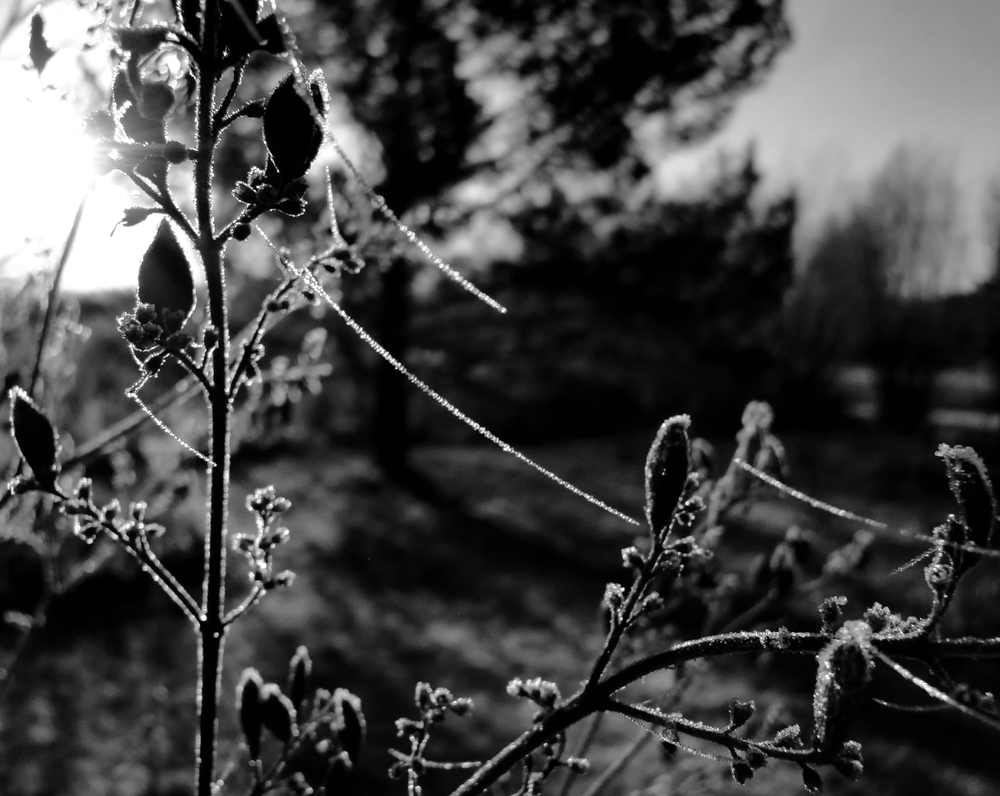
Finally, remember that spring weather can be a bit of a roller coaster. If a late frost is in the forecast, grab some garden fleece or burlap to cover up younger shrubs. This protects the tender new growth and those precious buds from getting nipped by the cold.