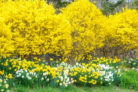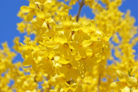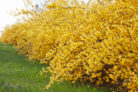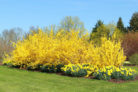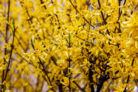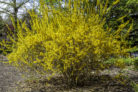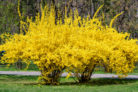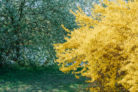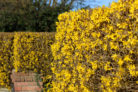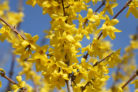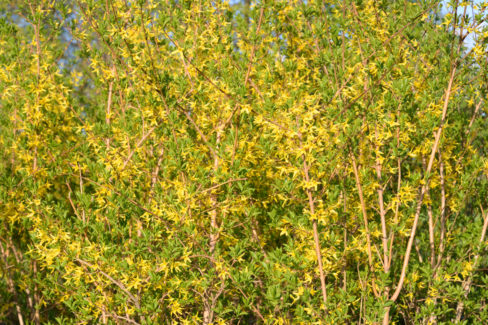
For many of us, those bright yellow forsythia blooms are the ultimate sign that spring has finally arrived. They’re like a cheerful “goodbye” to a long, cold winter. Because the bush is covered in gold while the branches are still bare, you might not even notice that the leaves haven’t shown up to the party yet!
When do forsythia leaves actually appear?
The blooming season usually kicks off around March and lasts for several weeks. Since the plant doesn’t have any foliage yet, those flowers really pop against the landscape. Just a heads-up for my fellow pollinator fans: forsythia is actually pretty boring for bees because it produces almost no nectar. Once the flowers start to fade, the leaves finally make their debut. Depending on where you live, you’ll usually see them sprout in late April or even May.
What do the leaves look like?
Everyone recognizes the neon-yellow flowers, but do you know what the foliage looks like? The leaves are actually a decent size, growing about three to five inches long. They have an elongated oval or “pointed egg” shape. While they stay a fresh green all summer, they sometimes turn a yellowish or even purplish hue in the fall before dropping.
Can I use forsythia leaves for mulch?
One of the reasons I love forsythia is that it’s incredibly low-maintenance. It thrives in almost any spot you put it in, which is why you see it planted everywhere. Plus, it’s not very prone to pests or diseases. Because the foliage is generally healthy, the fallen leaves make great mulch or winter protection for your more frost-sensitive plants.
What if my forsythia leaves are turning yellow?
If you notice the leaves turning yellow while the veins stay dark green, your plant might be dealing with chlorosis (iron deficiency). This is most common if you’re growing forsythia as a bonsai. Usually, the culprit is either “hard” water with too much lime or using the wrong fertilizer.
Quick Facts:
- Leaves sprout only after the flowers fade
- Leaves grow to about 3–5 inches long
- Shape: Pointed oval or elongated
- Color: Bright to fresh green
- Fall color: Yellowish to purple
- Deciduous (leaves drop in autumn)
Pro Tip: Forsythia foliage grows in nice and thick, making it a fantastic natural privacy screen during the summer months.