How well your camellias handle the winter really comes down to two things: the specific variety you’re growing and whether they’re in the ground or in a container. But here’s the kicker—even the most “winter-hardy” variety or the best protective wrap won’t help much if frost damage has already set in.
Understanding Frost Damage
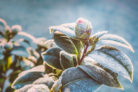
Frost damage happens when temperatures dip below freezing and the plant just isn’t tough enough to handle the chill. Timing is everything here. We talk about “early frost” in the fall and “late frost” in the spring. Since hardy plants usually prep themselves for the deep freeze of mid-winter, those surprise frosts in autumn or spring often do the most damage because they catch the plant (and the gardener!) off guard.
Winter Frost Damage: What to Look For
You’ll know your camellia is struggling if you see:
- Curled or rolling leaves
- Leaves turning brown
- Foliage dropping off entirely
Usually, this happens because the roots can’t get enough water up to the rest of the plant. The culprits are typically:
- A root ball that has partially or completely frozen solid (common in pots)
- Frozen ground for garden-planted camellias (this leads to “frost drought”)
How to Save Your Plant
If you have a potted camellia, whether or not it survives depends on how much of the root system actually froze. Since you won’t really know the extent of the damage until spring, it’s always worth trying a rescue mission:
- Move the plant to a warmer (but not hot!) spot.
- Water it regularly with lukewarm water.
If you see new growth in the spring, congratulations—you saved it! That’s the time to go ahead and prune back any dead branches.
For camellias planted in the ground, patience is your best friend. If it starts budding in the spring, it’s made it through the worst. You can then trim away the frost-damaged parts. Just a heads-up: watering your garden plants while the ground is still frozen won’t help, as the water can’t actually reach the roots through the ice.
Dealing with Early and Late Frosts
These “surprise” frosts are tricky because they happen so fast. If you have potted camellias, try to bring them indoors if a sudden cold snap is in the forecast. For plants in the ground, a thick layer of mulch is your best preventative defense.
Unfortunately, once buds or flowers get hit by a hard frost, they’re usually toast. However, depending on the variety and its specific blooming season, some might be a little more resilient than others!