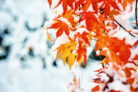
In the fall, most of us just want to stand still and soak in the maple tree’s incredible display of colors. But don’t let that time slip away entirely! Autumn is actually the perfect moment to step in and do a little maintenance to keep your maple happy and healthy.
The Best Time to Prune
During the peak growing season in summer, we usually avoid pruning maples. Why? Because the sap pressure is so high that the tree would essentially “bleed” excessively from the cuts. As the leaves start to drop in the fall, that sap pressure drops right along with them. Once your maple has shed about half of its foliage, you’re good to grab your shears. You have from then until about January to shape it or thin it out.
- Pick a day that is dry and frost-free for pruning.
- Only cut into last year’s growth (old wood usually won’t sprout new buds).
- Remove deadwood entirely.
- Don’t leave “stubs”—make clean cuts.
- Be careful not to damage the branch collar (the swollen area where the branch meets the trunk).
Boosting Winter Hardiness with Potassium
While many native maple species are considered very winter hardy, it takes a few years for young trees to really build up that strength. Think of it as a staircase they have to climb step by step. Potassium is a total game-changer here—it strengthens the cell tissue and lowers the freezing point of the liquid inside the cells. You can give your tree a boost by applying a potassium-rich fertilizer (like sulfate of potash) in the fall. Just make sure to follow the dosage instructions on the package.
If you prefer a natural approach, comfrey tea is a great plant-based source of potassium. You can brew it from fresh comfrey plants in the summer, store it, and then pour it over the root zone between August and September.
Fall Planting
Looking to add another maple to your landscape? Fall is the ideal time to plant, especially if you’re choosing a hardy, native variety.
Pro Tip:
If you want to try propagating maples yourself, autumn is the time to go hunting for those iconic winged seeds (samaras).
Getting Potted Maples Ready for Winter
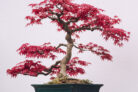
Even with a potassium boost, a maple in a pot is always going to be more sensitive to the cold than one in the ground. These are often Japanese varieties, like the stunning Coral Bark Maple (Sangokaku) with its famous red bark. In the fall, it’s best to move your potted maple to a bright, frost-free spot (keep it under 40°F) for overwintering. If it has to stay outside, you’ll need to bundle it up:
- Wrap the crown in a breathable garden fleece.
- Wrap the pot in bubble wrap or burlap.
- Place the pot on a wooden pallet or board to insulate it from the cold ground.
- Cover the soil surface with a thick layer of dry leaves.