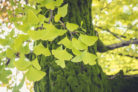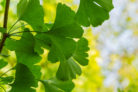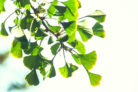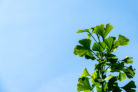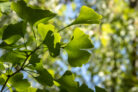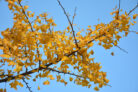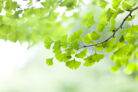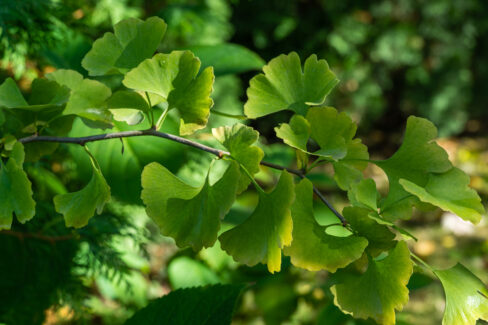
The Ginkgo is a super low-maintenance tree as long as you keep it hydrated. It’s tough enough to survive in poor soil—though it’ll grow a lot slower there—but if you really want it to thrive, it definitely appreciates a nutrient-rich home.
Feeding Your Ginkgo at Planting Time
If you’re planting your Ginkgo tree directly in the ground and your garden soil is already rich in nutrients, you can actually skip the fertilizer for the first few years. A great pro-tip is to spread some bark mulch and horn shavings around the base of the tree; these act as a fantastic slow-release fertilizer over time.
When planting a Ginkgo tree, the main thing to watch out for is soil compaction. You want soil that holds moisture well but isn’t packed down like concrete. If your soil is very sandy or porous, you might need to fertilize at least once a year, as nutrients tend to wash away much faster in those conditions.
Fertilizing Trees in the Yard
For trees in the ground, the best time to fertilize is in the spring, right around the time the new buds start to pop. Along with the mulch and horn shavings mentioned earlier, working some fresh compost into the soil is a great move.
Keep in mind that as the tree’s canopy grows, so does its root system. Those tiny “hair roots” that do all the heavy lifting for water and nutrient absorption are mostly located out toward the edge of the drip line. Make sure you’re fertilizing a wide enough area around the base, expanding that circle as your tree gets bigger. For outdoor trees, sticking to slow-release fertilizers is usually all you need to keep them happy.
Caring for Potted Ginkgos
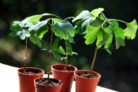
If you’re growing a Ginkgo in a pot, start with a high-quality, nutrient-dense potting mix. This gives you a nice head start, meaning you won’t have to worry about repotting or refreshing the soil for a few years. The only exception here is if you’re growing a Ginkgo bonsai, where you actually want slower growth.
For a standard potted Ginkgo, you can give it a little boost with some liquid fertilizer for green plants every now and then. Just be sure to stop all fertilizing by August. This lets the tree naturally wind down and harden off so it’s ready for the winter chill.