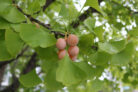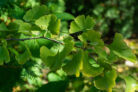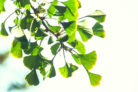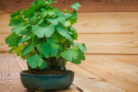
Many gardeners dream of having a Ginkgo tree in their backyard, and it’s not just for those stunning, fan-shaped leaves. Lots of folks are actually looking to harvest the leaves and fruit! The edible leaves are famous for their health perks, especially when it comes to giving your memory a little boost.
Not Your Average Broadleaf
The first thing you’ll notice about a Ginkgo is that unique, fan-like foliage. But here’s a fun fact to impress your neighbors: biologically speaking, the Ginkgo is actually a closer relative to conifers (needle-bearing trees) than to typical deciduous trees. If you take a look at our Ginkgo profile, you’ll see that this tree is pretty much in a league of its own.
In fact, it’s often called a “living fossil.” There’s nothing else like it on the planet today; all its closest relatives went extinct long before humans ever walked the Earth.
How to Harvest the Leaves
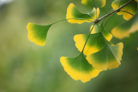
You can pick fresh green leaves throughout the growing season. However, once the leaves turn that brilliant yellow in the fall, it’s time to stop harvesting. By autumn, the tree is busy sending its energy down into the roots, meaning those yellow leaves don’t have many of the beneficial nutrients left.
The sweet spot for harvesting is from late spring through mid-summer. Make sure you’re only picking healthy, undamaged leaves. I recommend using a pair of clean garden snips to cut the leaves close to the branch—just be careful not to nick the bark or any new buds.
Once you’ve gathered your harvest, dry the leaves in a dark spot with plenty of airflow.
Using Your Ginkgo Harvest
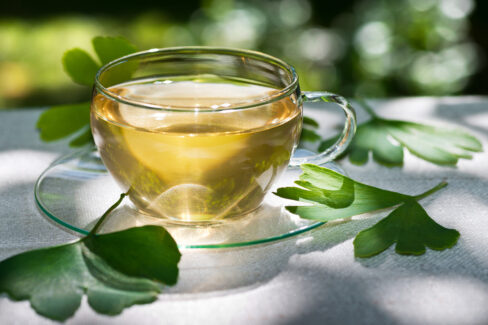
The most popular way to use the leaves is for brewing tea. But don’t stop there! Once they’re dried and ground into a fine powder, they’re surprisingly versatile in the kitchen. Some people use the powder as a nutritional “filler” for cake flour, while others stir a spoonful right into their morning oatmeal or muesli.
If you find the natural flavor of Ginkgo a bit too distinct for your liking, skip the plain tea and try mixing the powder into flavorful dishes instead. If you really want that tea, you can always mask the taste by blending it with other aromatics, like dried apple peels.