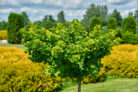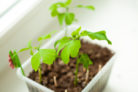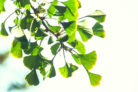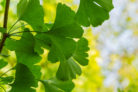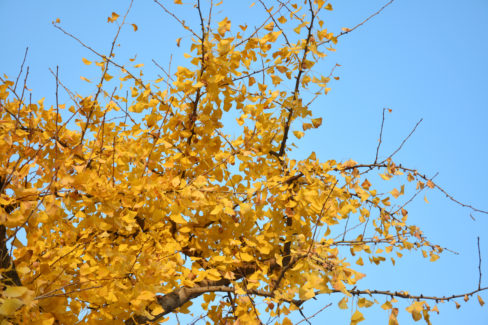
If you ever catch a Ginkgo tree in full bloom, consider yourself lucky! Seeing those flowers is basically the ultimate reward for years of patience and great garden care. These trees aren’t in any rush—it takes quite a while for them to flower, and they need some TLC to get there.
Telling the Flowers Apart
Ginkgos are “dioecious,” which is just a fancy botanical way of saying they have distinct genders. A single tree will produce either male flowers or female flowers, but never both on the same plant.
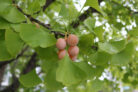
The male flowers look a bit like willow catkins—they’re light, dangling clusters that grow to about an inch long. The female flowers, on the other hand, are much stealthier and can be hard to spot. They look a bit like tiny, unripe acorns with a visible stigma. Usually, these little flowers grow in pairs on a single stalk, though typically only one of them actually develops into a fruit.
Location and Timing
Here’s the kicker: it takes anywhere from 20 to 36 years for a Ginkgo to bloom for the very first time. Until that moment, it’s anyone’s guess whether you’ve got a boy or a girl on your hands! If you’re hoping to harvest the fruit (which is a popular seasoning in many Asian cuisines), your best bet is to plant a few trees to increase your odds. As long as you end up with at least one female tree, you’ll be set, as they tend to be very prolific producers.
The blooming season usually hits between March and April. If you give your tree a nice sunny spot, you might even see those first blooms popping up in early March. While Ginkgos aren’t super picky about their soil, giving them nutrient-rich ground definitely helps encourage flower production.
Care Tips
If you want to nudge your tree toward blooming sooner (hopefully closer to that 20-year mark than the 40-year mark!), regular maintenance is key. A big part of that is pruning it into shape every so often. This keeps the tree vital and prevents it from getting thin or “bald” in the center.
You’ll also want to keep it well-fed. A good slow-release fertilizer applied generously around the base of the tree in the spring is usually all it takes.
Great options for fertilizer include:
- Horn meal or shavings
- Finished compost
- Bark mulch (to help with soil health)