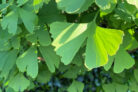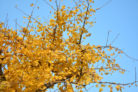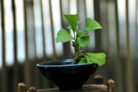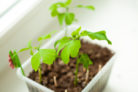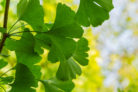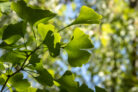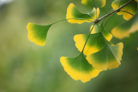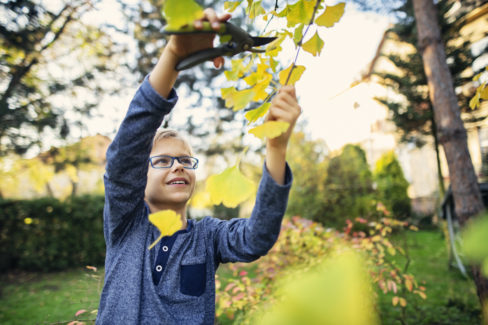
Ginkgos are surprisingly hardy when it comes to pruning, which makes them a dream to shape. If yours is planted out in the yard, you’ll only need to grab the shears every now and then. However, if you’re growing one in a container or training it as a bonsai, you’ll need to be a bit more hands-on with your maintenance.
Growth Habit
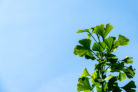
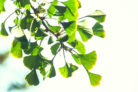
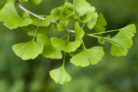
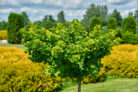
A classic Ginkgo usually sports a bushy, rounded, or oval-shaped canopy. This natural shape is great because it ensures all those unique leaves get plenty of sunlight for photosynthesis. While Ginkgos aren’t usually bothered by many pests or diseases, keeping the crown well-ventilated is a pro tip for encouraging healthy, vigorous growth.
For trees planted in the ground, maintaining a sturdy, open canopy is also practical—it prevents branches from snapping under the weight of heavy winter snow.
Training the Canopy
How fast your Ginkgo grows really depends on your soil and location. If you have a smaller yard, don’t worry! You can actually keep a Ginkgo small by choosing a spot with leaner soil and keeping up with a regular pruning schedule. If you let it go wild, the center of the tree can become sparse and lose that lush look we all love.
The best strategy is to thin out the canopy every spring. Make sure light can reach the inner leaves, and prune away any branches that are crossing, rubbing against each other, or just looking a bit stunted.
Shape Pruning
Spring isn’t just for thinning; it’s also the perfect time for a “haircut” to maintain the tree’s shape. Regularly shortening the branches encourages bushier growth, making the tree look fuller and more vibrant.
Quick Guide to Shaping:
- Trim the main leader back by about 1/3.
- Shorten one-year-old side shoots by up to 2/3.
- Pinch back any outward-growing branches that are getting too long.
- Trim back any fast-growing “suckers” or water sprouts.
Try to avoid cutting into old wood unless it’s absolutely necessary. If you do have to make a large cut, it’s a good idea to seal the wound with tree resin. For potted trees, you might find yourself needing to trim back aggressive shoots again later in the season—just remember to seal those cuts too!
Pruning for Bonsai
Growing a Ginkgo as a bonsai is a whole different ballgame. To keep that iconic miniature look, the rule of thumb is to wait until a shoot has five or six leaves, then prune it back to just two or three. This constant “pinching” is what keeps the bonsai compact and perfectly scaled.