By James Hartley|Published on September 1, 2022|Updated on January 23, 2025
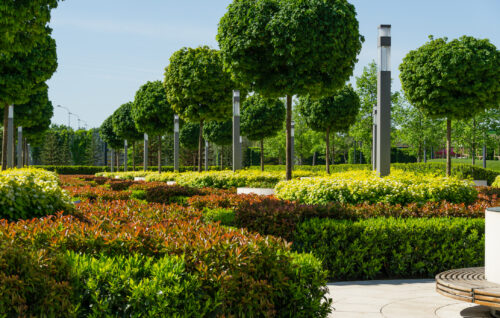
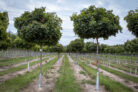
Globe-shaped trees are a fantastic way to add structure and style to smaller yards. They offer a clean, manicured look without taking up too much real estate. But which varieties actually work best? Here’s a look at the most popular globe trees for your landscape.
[[plants]]
++Globe Norway Maple (Acer platanoides ‘Globosum’)
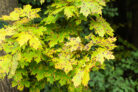
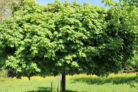
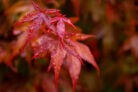
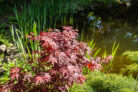
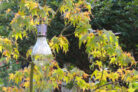
Most maples eventually turn into towering giants. However, with the right variety and a little pruning, you can keep that classic look in a compact, spherical shape. The ‘Globosum’ variety is your best bet here—it’s often sold specifically as a Globe Maple. It’s a great choice if you’re looking for a tree with beautiful, distinctive foliage that stays manageable.
++Pin Oak (Quercus palustris)
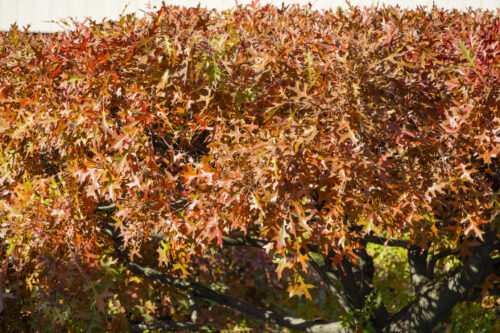
Oaks are legendary for their rugged growth and majestic canopies. Interestingly, the natural growth habit of the Pin Oak already leans toward a rounded shape, making it a perfect candidate for a globe tree. Oaks are symbols of endurance and can live for generations. Even when kept as a smaller globe tree, this plant can be a lifelong companion in your garden, offering timeless beauty year after year.
++Dwarf Arborvitae (Thuja occidentalis)
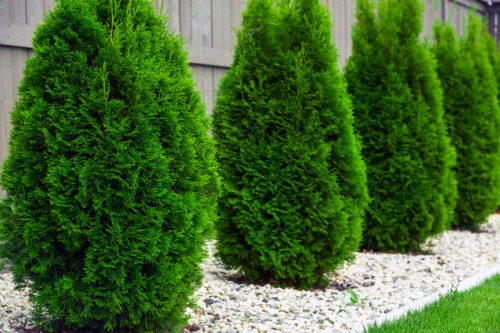
If you’re working with a really tight space, the Dwarf Arborvitae is the way to go. This evergreen features dense, soft needles and stays quite low to the ground. It’s a hardy plant that can handle heavier soils, though you’ll want to make sure it has good drainage to avoid “wet feet.” Other than that, it’s a low-maintenance beauty that holds its shape exceptionally well with minimal trimming.
++Ginkgo (Ginkgo biloba ‘Mariken’)
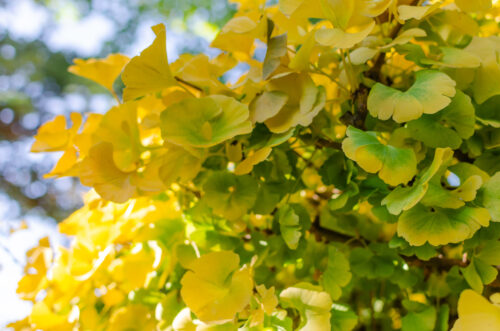
The Ginkgo tree is a living fossil and a symbol of friendship. Its unique, fan-shaped leaves are instantly recognizable and have inspired artists and poets for centuries. By choosing the ‘Mariken’ cultivar, you get all that history in a compact, globe-like form. This dwarf variety usually won’t grow much taller than six feet, so it’ll never overwhelm your garden.
++Boxwood (Buxus sempervirens)
--500x333.jpg" alt="Boxwood" width="500" height="333" class="alignnone size-medium-large wp-image-40469" srcset="https://guterboden.de/wp-content/uploads/2022/09/Buchsbaum--500x333.jpg 500w, https://guterboden.de/wp-content/uploads/2022/09/Buchsbaum--300x200.jpg 300w, https://guterboden.de/wp-content/uploads/2022/09/Buchsbaum--1024x683.jpg 1024w, https://guterboden.de/wp-content/uploads/2022/09/Buchsbaum--768x512.jpg 768w, https://guterboden.de/wp-content/uploads/2022/09/Buchsbaum--1536x1024.jpg 1536w, https://guterboden.de/wp-content/uploads/2022/09/Buchsbaum--2048x1365.jpg 2048w, https://guterboden.de/wp-content/uploads/2022/09/Buchsbaum--488x325.jpg 488w, https://guterboden.de/wp-content/uploads/2022/09/Buchsbaum--308x205.jpg 308w, https://guterboden.de/wp-content/uploads/2022/09/Buchsbaum--234x156.jpg 234w, https://guterboden.de/wp-content/uploads/2022/09/Buchsbaum--138x92.jpg 138w, https://guterboden.de/wp-content/uploads/2022/09/Buchsbaum--350x233.jpg 350w" sizes="(max-width: 500px) 100vw, 500px" />
The Boxwood is a classic choice for topiary and globe shapes. It’s evergreen, incredibly easy to prune, and generally very hardy. While many people use them for hedges, they make stunning standalone globes. Just keep in mind that they are slow growers and actually prefer partial shade. If you have a spot that doesn’t get blasted by the afternoon sun, a Boxwood globe is a very low-effort, high-reward option.
++Cherry Laurel (Prunus laurocerasus)
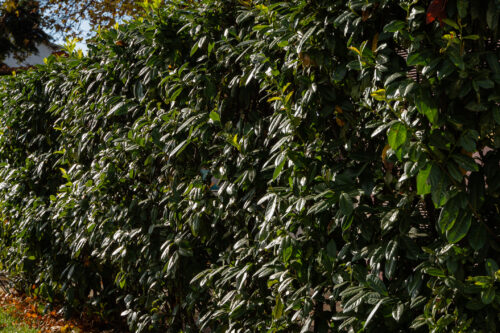
Cherry Laurel is another favorite for creating green spheres. Its glossy, dense foliage is perfect for shaping. One of the best things about this evergreen is how resilient it is—even if you prune it back aggressively, it bounces right back with fresh growth. It’s also tolerant of lime in the soil and can even grow in the shade of larger trees, giving you plenty of design flexibility.
++False Cypress (Chamaecyparis)
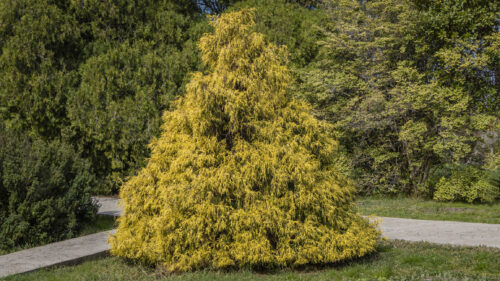
Looking for a bit of Mediterranean flair without the fuss? False Cypress is a great choice for a globe tree. These can grow up to about ten feet tall and develop a beautiful, opaque canopy. Because they grow fairly quickly, you’ll need to reach for the shears a bit more often. However, that fast growth is exactly what makes them so fun for topiary work—you can sculpt a perfect sphere in no time.
++Pussy Willow (Salix caprea)
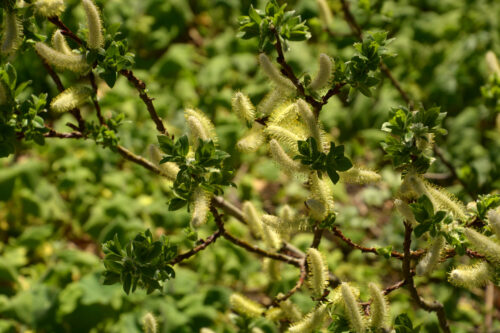
The Pussy Willow is a springtime favorite, famous for those soft, fuzzy catkins that feel like velvet. They make wonderful indoor decorations for Easter or spring arrangements. In the garden, the tree grows densely enough that the crown can be trained into a lovely, slightly flattened globe. All it takes is a little seasonal pruning to keep it looking sharp and tidy.