When it comes to topiary, you’re the boss! Boxwoods are incredibly hardy and forgiving, meaning they’ll pretty much let you shape them into whatever you can imagine. However, if you want your spheres and spirals to look professional, timing, frequency, and technique are key. Let’s dive into the art of shaping a beautiful boxwood.
Timing
Technically, you could prune an evergreen boxwood year-round, but in the real world, there’s a specific window that works best. Even the weather on the day you pick makes a big difference!
- The pruning season runs from April through September.
- Your first “shaping” cut should happen shortly after the first spring growth appears.
- Aim for a second maintenance or corrective trim by mid-August at the latest.
- Don’t prune in the rain (this opens the door for fungal infections).
- Avoid super sunny days, too, as the freshly exposed leaves can actually get sunburned.
- Pro tip: If you have to prune on a sunny day, give your boxwood some shade afterward.
Frequency
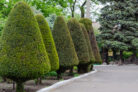
If your boxwood is a simple geometric shape—like a globe, spiral, or pyramid—trimming it twice a year during the windows mentioned above is usually plenty. That said, feel free to trim more often if you want a denser, more branched-out look. For those fancy, intricate “fantasy” shapes, you’ll definitely need to prune more frequently to keep the outlines sharp. Just make sure to wait at least four weeks between trims and never prune later than September.
Technique
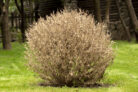
Try not to cut too deep into the shrub. Most boxwoods are actually hollow or bare on the inside. While they can eventually sprout from old wood, it takes a long time for new green to show up, leaving you with an ugly brown gap in the meantime. Always try to leave a little bit of this year’s new growth on the branch.
If you’re new to topiary, take it slow. You can always trim more off later, but you can’t put it back once it’s gone! For geometric shapes, templates or guides are a lifesaver. You can buy these at the garden center, or get creative and make your own at home using wire, plywood, or even cardboard.
Quick Tip:
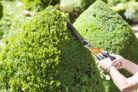
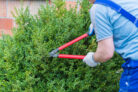
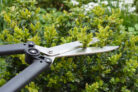
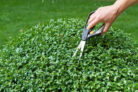
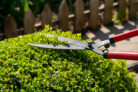
If you’re going for a very intricate or delicate design, leave the electric hedge trimmers in the shed. Pick up a pair of specialized boxwood shears instead. They’re designed to handle both thick stems and fine, precision snips.