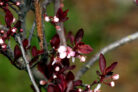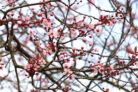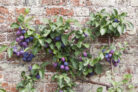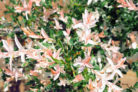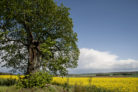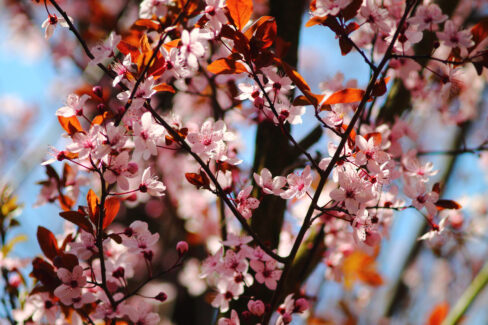
The cherry plum (also known as the purple-leaf plum) comes in several varieties, and honestly, it’s a total rockstar in the garden. Whether you grow it as a shrub for a vibrant, colorful hedge or as a standard tree, it brings so much to the table. Beyond the sweet fruit, it kicks off spring by turning your yard into a sea of pink blossoms, and by summer, it provides the perfect patch of cool shade.
Bloom Time and Harvest
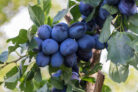
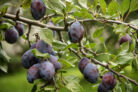
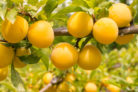
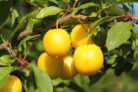
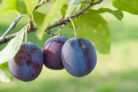
In May, these trees put on a spectacular show with their gorgeous blossoms. Those flowers eventually turn into deep red plums about an inch in size. These fruits are nice and sweet, so you can snack on them right off the tree or use them for baking and preserves.
Growth Habits
You can find cherry plum trees in a few different forms at the nursery. They generally have upright branches and a moderately wide, densely branched canopy without one single “leader” branch dominating the center.
Growth can be a little bit irregular. For the first few years, you’ll see moderate growth—somewhere between 12 to 20 inches a year. As the tree gets older, that growth rate naturally starts to slow down.
Pruning Tips
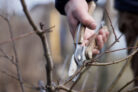
If you want your tree to keep a beautiful shape, you’ll want to prune young plants at least once a year. Regular pruning is really the secret sauce for healthy, vigorous growth.
To get the best results, keep these tips in mind:
- Always use sharp, clean pruning shears.
- Try to avoid making massive cuts that leave large “wounds.”
- If you do have to make a large cut, use a pruning sealer.
- Make sure to prune young trees annually during their first few years.
- Avoid pruning during the fall and winter months.
- If you spot any diseased branches, cut them back aggressively.
Care and Maintenance
One of the best things about the cherry plum is that it’s not picky—it’ll thrive in almost any garden soil. Since its roots tend to stay in the upper layers of the soil, it’s a great idea to maintain a generous mulch ring (or “tree circle”) around the base.
Here’s how to set that up:
- Start with a mulch ring at least 3 feet in diameter.
- Keep your grass mulch or wood chips about 2 inches thick.
- As the tree grows taller, expand the ring by about 8 inches at a time.
To keep diseases and fungi at bay, pick a spot with full sun to partial shade. As long as your tree has enough room to breathe and plenty of moisture while it’s getting established, it’ll be a hardy, low-maintenance favorite for years to come!