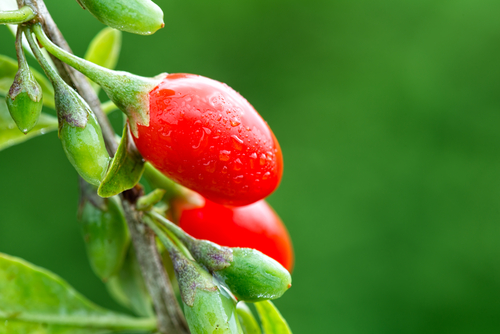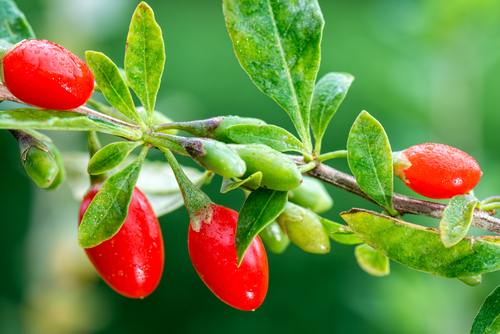
For the most part, Goji berries are the ultimate “set it and forget it” plant—they’re hardy, low-maintenance, and pretty tough. While they aren’t magnets for trouble, they aren’t totally invincible either. If your shrubs are looking a little under the weather, here’s how to spot the culprits and get your garden back on track.
Powdery Mildew
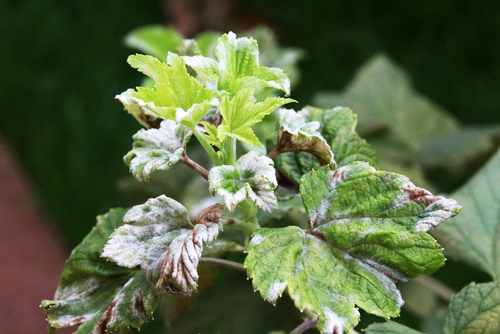
Unfortunately, Goji berries are a bit of a magnet for powdery mildew. You’ll usually spot this white, flour-like coating on the leaves. The good news? If the berries themselves look clean, they’re still perfectly fine to harvest and eat. This fungus loves humid spots with poor airflow.
To keep it at bay, your best bet is a little “tough love” pruning. Thinning out the branches regularly ensures plenty of breeze gets through the foliage so leaves dry off quickly. If you already see the white fuzz, grab your shears and cut back the infected parts. Just a heads-up: toss those clippings in the trash, not the compost pile, and make sure to disinfect your pruners afterward so you don’t spread the spores!
Goji Gall Mites
These tiny pests originally hitched a ride over from Asia. They are so microscopic you’d need a magnifying glass to see them, but you’ll definitely notice their handiwork: weird, bumpy swellings or “galls” on the leaves. If you spot these, the remedy is the same as with mildew—prune away the affected areas immediately. Again, bag those clippings for the trash and give your garden shears a good rubdown with rubbing alcohol when you’re done.
Spotted Wing Drosophila (Fruit Flies)
Since Goji berries ripen later in the season, they can sometimes become a target for the Spotted Wing Drosophila. These vinegar flies lay their eggs in the ripening fruit, leading to tiny larvae inside your berries. The best defense here is a good offense: keep your plants well-pruned. A breezy, open canopy is much less attractive to these pests than a dense, stagnant thicket.
What if my Goji berry isn’t blooming?
If your “Wolfberry” is looking lush but hasn’t produced a single flower, don’t panic—it’s probably not sick! Most of the time, the plant is just a “late bloomer” in the literal sense. Gojis usually need to be about three years old before they start flowering and fruiting.
If your plant is older and still stubborn, check your fertilizer. If you’re using something high in nitrogen, you might be encouraging the plant to put all its energy into leaves and height rather than blooms. Lastly, make sure you’ve got a variety suited for your specific climate!