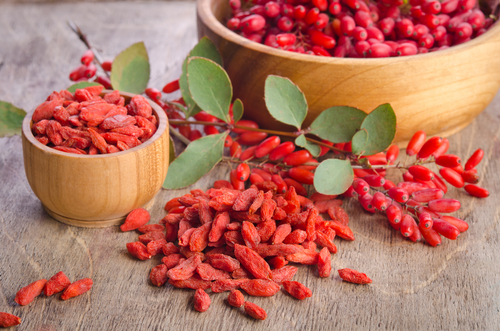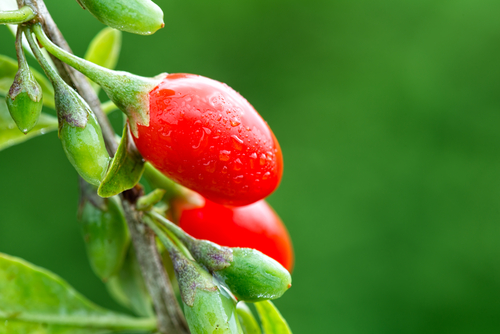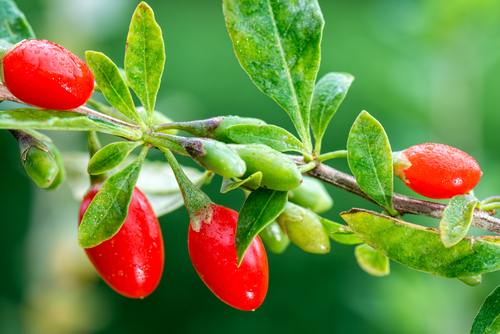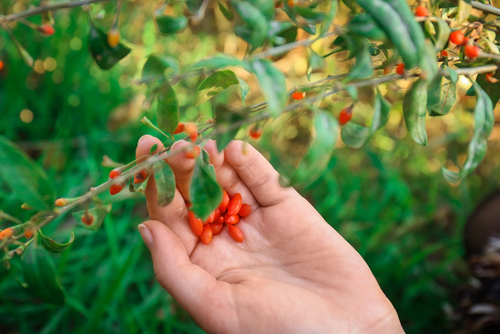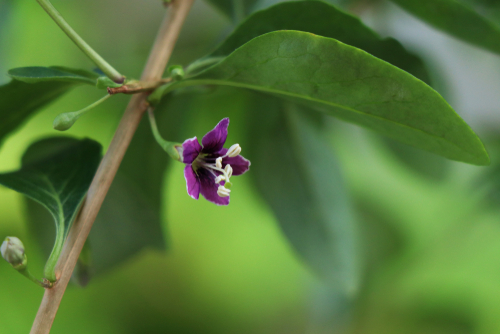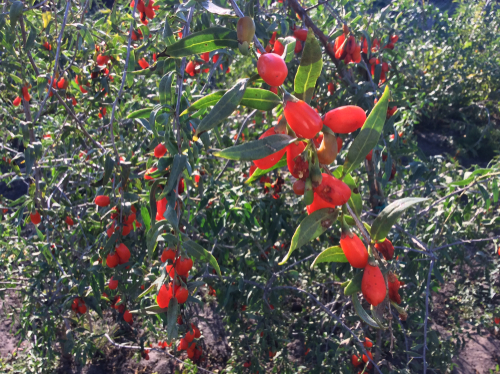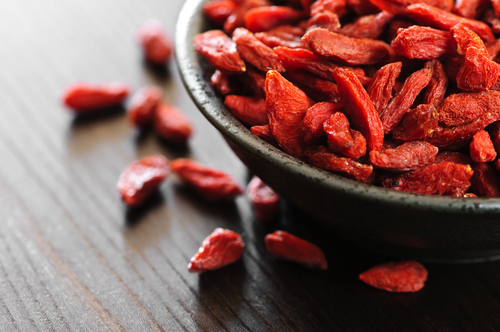
Dried goji berries have long been celebrated as a powerhouse superfood from the East, and they’ve become a huge hit in home gardens across the country lately. These hardy plants can actually produce a massive harvest once they get going! The only problem? You’ll likely end up with way more berries than you can eat in one sitting. That’s when you need a game plan for storage and preservation.
Storing Your Goji Berries
If you grow your own fruits and veggies, you know the drill: suddenly, everything is ripe at once, and there’s no way to finish it all before it spoils. Since not every crop stays fresh on the counter for long, finding ways to preserve the harvest is key. Goji berries are no exception. Unless you want your hard-earned crop ending up in the compost pile, you’ll want to eat them fresh or preserve them pretty quickly after harvesting.
Fresh goji berries start looking a little sad after just a few days in the fridge. While they aren’t quite as delicate as raspberries or strawberries, they won’t stay plump forever. Plus, this superfood loses some of its nutritional punch and vitamin content every day it sits in the refrigerator.
Ways to Preserve Your Harvest
Once you’ve gathered your berries, you have a few great options to keep that “wolfberry” goodness around for longer:
- Freezing
- Drying (Dehydrating)
- Canning/Preserving
- Juicing
Just keep in mind that fresh goji juice doesn’t stay good forever—it really only buys you a few extra days. If you decide to cook them down for canning, be aware that high heat can zap some of those sensitive vitamins and nutrients.
The Best Way to Dry and Freeze Goji Berries
If you want to dry your goji berries (the most popular way to eat them!), start by removing the green stems. Spread the berries out on an absorbent surface, like paper towels, and place them in a sunny spot. Make sure they aren’t touching so they get plenty of airflow.
Give them a toss every few hours until they are completely shriveled and dry. If the weather isn’t cooperating, you can use your oven. Set it to a low temperature—around 100°F to 120°F (40-50°C)—and keep the door cracked slightly so the moisture can escape.
Prefer freezing? I recommend portioning them out into small batches first. This prevents you from ending up with one giant, frozen block of berries. A pro tip: “flash freeze” them by spreading them out on a tray in the freezer first. Once they’re frozen solid, move them into a freezer bag or container. This keeps them individual and easy to scoop!