Beech trees are famous for being tough and resilient, which is exactly why so many of us love using them for privacy hedges. But here’s the catch: to stay that way, they need the right spot in your yard and a little TLC. Even with the best care, sometimes nature throws a curveball in the form of pests or disease. If your hedge is looking a little under the weather, don’t panic! Here’s how to handle it like a pro.
Common Beech Hedge Diseases and Pests
Generally speaking, a healthy, established beech tree can hold its own against most pests and pathogens as long as the infestation doesn’t get out of hand.
However, keep an eye out for these usual suspects:
- Powdery Mildew
- Leaf Spot Fungus
- Spider Mites
- Beech Woolly Aphids
- Beech Blight Aphids
If you’ve just planted a young beech hedge, you’ll want to move fast if you spot trouble. These “babies” haven’t built up their immune systems yet, and a serious infection can quickly take out the whole row if you aren’t careful.
Dealing with Fungal Issues
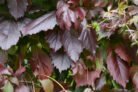
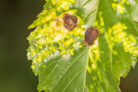
Fungal infections usually tell their story through the leaves. If you notice the foliage curling up, changing color, drying out, or dropping early, your alarm bells should be ringing. Powdery mildew is one of the most common culprits—you’ll recognize it by that tell-tale white, flour-like coating on the leaves.
These fungi love damp summers or soil that doesn’t drain well (wet feet are a big no-no!).
Here’s your action plan:
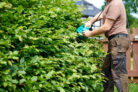
- Grab your shears and prune away all the infected sections. Don’t be shy—beech trees are incredibly hardy and can handle a heavy cut even back to the old wood.
- This is the most important part: throw those clippings and any fallen leaves straight into the household trash. Never put them in your compost pile, or you’ll just be helping the fungus spread through your garden next season.
Tackling Pests
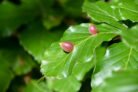
The beech woolly aphid is probably the biggest threat to your hedge’s health. You’ll know they’ve moved in if the leaves start curling and falling off. If you look closely, you might see tiny larvae, feeding tracks, or the aphids themselves (which often look like little bits of white fluff).
How to fight back:
- For a mild case, try a natural approach first. A homemade stinging nettle tea or a strong spray of soapy water can often do the trick.
- If the infestation has turned into a full-blown invasion, natural remedies might not cut it. In that case, it’s best to pick up a targeted treatment from your local garden center.
- Just like with fungus, be sure to prune off the worst-affected branches and dispose of them in the trash to keep the bugs from hopping back onto healthy growth.