Climbing roses are a stunning addition to any garden, but they can occasionally run into some health trouble. If your roses are looking a little under the weather, don’t worry! Here’s a quick guide on how to spot the most common culprits and how to get your plants back to their vibrant, healthy selves.
Common issues to watch out for:
- Powdery Mildew
- Gray Mold (Botrytis)
- Black Spot
- Rose Rust
Dealing with Fungal Infections
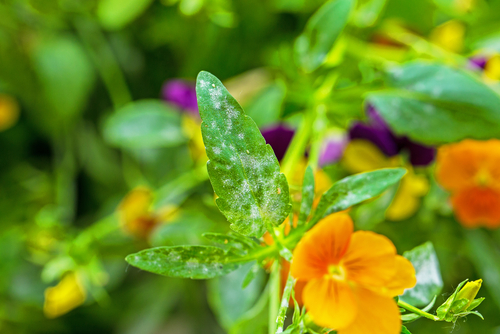
Fungal issues often pop up when climbing roses are over-fertilized or aren’t getting quite the right care. If you’re noticing something is off, it’s a good idea to double-check your maintenance routine. One of the most common issues is Powdery Mildew. You’ll recognize this one easily by the thin, white, flour-like coating that spreads across the leaves—hence the name.
To treat it, you can go the traditional route with a fungicide, or try a DIY home remedy: a mixture of milk and water. Spraying this on your roses for several days can help keep the fungus in check. If only a few branches are affected, you can simply prune them off. Just make sure to toss the clippings in the trash or burn them. Never put diseased clippings in your compost pile, or you’ll risk spreading the fungus all over your garden next time you fertilize!
Identifying and Treating Gray Mold
Unlike other issues, Gray Mold (Botrytis) usually shows up on the flower buds rather than the leaves. You’ll see a fuzzy, gray fungal layer covering the buds. This usually happens if your rose is in a spot that’s too shady or stays too damp. The best fix here is a good, consistent pruning. If you remove all the infected parts, the rest of the plant will have the strength to bounce back and grow fresh, healthy shoots.
Black Spot and Rose Rust
Both of these are also fungal infections that target the foliage. Black Spot leaves dark, circular marks, while Rose Rust creates spots that look—you guessed it—like rusty orange or red pustules. These discolorations are a sign that the leaf tissue is struggling. To handle this, trim back the affected leaves and branches and dispose of them properly to stop the spread.