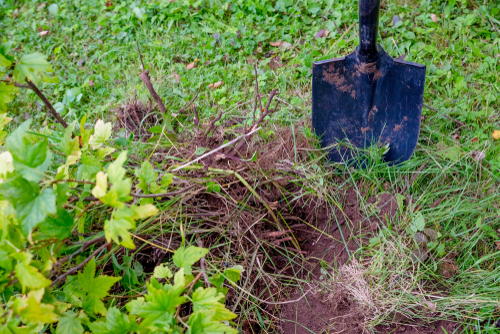
As long as you give them the right spot and a little TLC, currants are actually pretty tough customers. That said, they aren’t totally invincible. If you’re dealing with a long stretch of soggy weather or if your pruning game is a bit off, your bushes might start feeling under the weather.
Tips for Preventing Disease
In the garden, an ounce of prevention is worth a pound of cure. Unfortunately, once a disease really takes hold of a currant bush, it can be tough to turn things around. Your first line of defense is picking the perfect home for your plant. Aim for a sunny spot that’s protected from harsh winds. The soil should stay moist but never waterlogged—standing water is a one-way ticket to root rot and other issues.
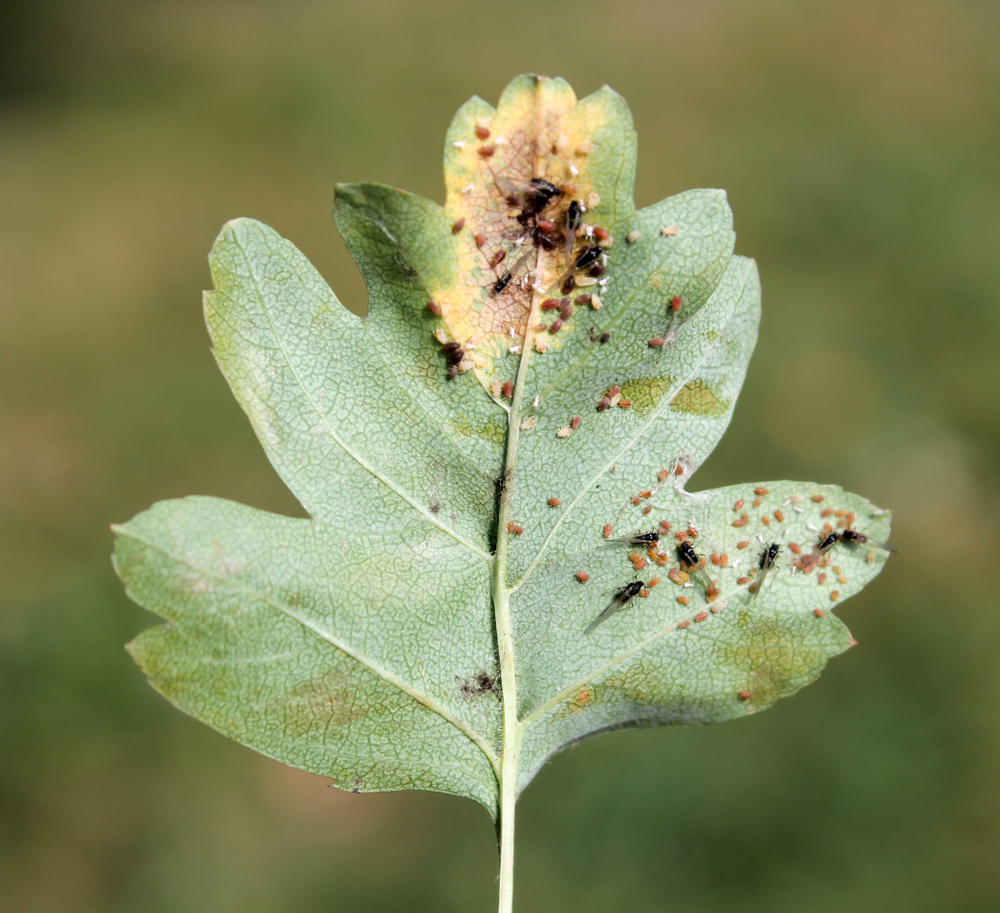
Regular pruning is another secret weapon for keeping your bushes healthy. You’ll want to head out with your shears at least once a year, ideally in the fall after the harvest. Thinning out the center of the bush is especially important because it improves airflow, making it much harder for pathogens to move in. While you’re at it, keep a close eye out for pests. A major infestation can really weaken the plant, but if you catch those little buggers early, you can usually save the day.
Common Diseases to Watch For
Even though currants are generally hardy, there are a few usual suspects you should know about. These include:
- Powdery Mildew
- Dieback
- Leaf Spot (Anthracnose)
- Colletotrichum (Fruit Rot)
- Reversion Disease
- White Pine Blister Rust
Powdery Mildew and Dieback
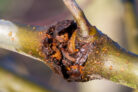
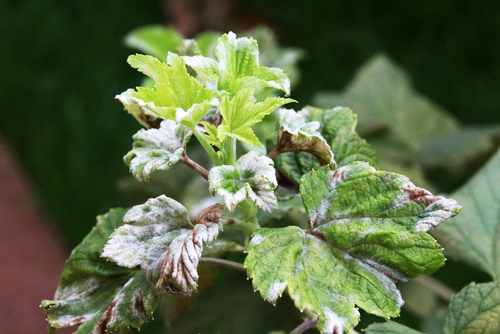
You’ll recognize powdery mildew by that tell-tale white, fuzzy coating on the leaves. It’s a fungus, and the best way to handle it is to prune away any affected parts immediately. A classic gardener’s trick is to spray the bush with a diluted milk-and-water mixture—it works surprisingly well! If you’re seeing “dieback,” where the plant fails to sprout or grow new leaves, it’s often because parasites have weakened it. Try pruning the bush back aggressively; with any luck, it’ll bounce back with fresh growth.
Leaf Spot and Fruit Rot
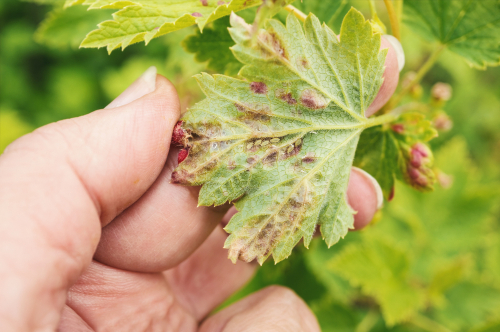
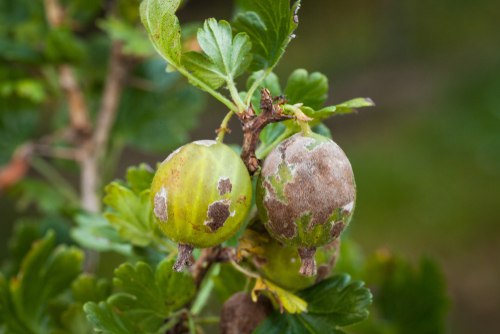
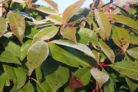
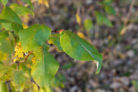
Leaf spot is a fungal issue that starts with tiny brown dots on the leaves. Eventually, the leaves curl up and drop off, and you might even see the stems turning brown. Your best bet is to cut away any infected foliage. With fruit rot (Colletotrichum), the stems turn brown and dry out, and the berries turn pale before shriveling up. To fix this, prune the bush back until you hit healthy wood and try treating it with a natural stinging nettle tea.
Reversion and Blister Rust
Reversion disease is often spread by mites (gall mites). You’ll notice the leaves changing shape and the plant producing very few flowers. Unfortunately, a heavy pruning is the only way to try and save the plant here. If you spot orange-red pustules on the underside of the leaves, you’re likely looking at rust. Cut off the infected branches right away. Since the fungal spores often spend their winters on nearby pine trees, you might need to check the surrounding area to stop the cycle!