If you’ve got a Golden Elm in your yard, you know how stunning that bright foliage can be. But there’s a little secret underground: these trees love to send out suckers (root runners). While a little extra growth might seem like a bonus, it can quickly become a headache. Here’s the lowdown on why your Golden Elm is “wandering” and how you can keep it in check before it takes over your entire garden.
Why Golden Elms Send Out Root Runners
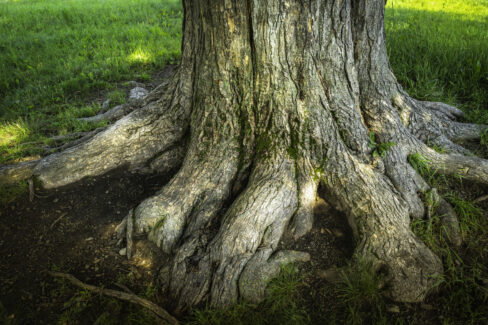
If you’re lucky enough to have a Golden Elm, you’re probably already enjoying that massive, beautiful canopy—which can reach up to 30 feet wide! But here’s the kicker: the root system underneath is even bigger. Because these roots are so extensive and branched out, they often send up new shoots (suckers) all around the base of the tree.
It’s all fun and games until these shoots start popping up in the middle of your favorite flower bed or—even worse—lifting up your patio pavers. Your first instinct might be to grab the garden shears and just snip them off at the surface, but hold your horses! Cutting them back like that can actually backfire, stimulating the tree to produce even *more* runners. On the bright side, if you’re looking to grow your collection, you can actually use these runners for propagating your Golden Elm. So, they aren’t all bad!
How to Keep Those Runners Under Control
Simply pulling or clipping the shoots above ground won’t cut it. To really stop them, you have to be a bit of a detective: you need to trace the runner all the way back to the main trunk and remove it entirely. This means a bit of digging is in your future.
Step-by-Step: Removing Root Runners
- Identify the new shoot popping up.
- Carefully dig and follow the root back toward the main trunk.
- Sever the runner completely at the source.
- Be careful not to nick or damage the main structural roots in the process.
If you want a “set it and forget it” solution, your best bet is a root barrier. Whether you’re just planting a new tree or dealing with an established standard (high-stem) tree, installing a barrier around the root zone will keep those runners confined to their designated space. It’s a bit of work upfront, but it’ll save you tons of time in the long run. Make sure the barrier goes at least three feet deep, then backfill it with soil. Your patio (and your sanity) will thank you!