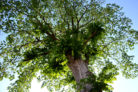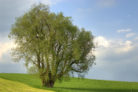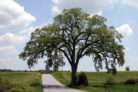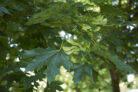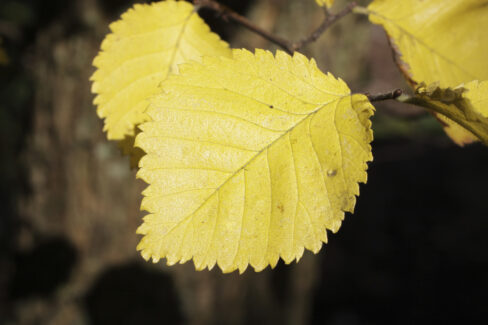
With its stunning, golden-yellow foliage, the Golden Elm is a real showstopper that adds a pop of color to any landscape. But even a beauty like this can run into some health trouble. To keep your tree thriving, you’ll want to know which diseases to look out for, how to spot them early, and exactly what to do if things go south.
Does Dutch Elm Disease affect Golden Elms?
One of the most notorious threats out there is Dutch Elm Disease (DED). As the name suggests, it’s a fungal infection that targets elm trees specifically. The good news? The Golden Elm is actually a tougher variety and isn’t quite as susceptible as its cousins. However, if your tree is already stressed or weakened, that fungus can still find a way in.
Here’s how to spot the warning signs of Dutch Elm Disease:
- Leaves in the upper canopy start curling and turning brown
- The tree looks like it’s suffering from extreme drought
- Twigs and branches slowly begin to die off
The biggest red flag is brown discoloration on your Golden Elm’s leaves. If you notice these symptoms, you’ve got to move fast. This fungus spreads like wildfire, and once it takes over the entire tree, it’s incredibly hard to save. Don’t wait until it’s too late!
How to take action against Dutch Elm Disease
If you see those tell-tale signs, it’s time to grab your pruning shears or a saw. Make sure your tools are sharp and—this is the most important part—disinfect them before you start cutting. This prevents you from accidentally introducing more pathogens or grime into the fresh cuts.
Carefully inspect the tree and prune away every single infected branch. You need to be thorough and remove the affected areas completely. If the fungus has already taken over too much of the wood, you might unfortunately have to cut the tree down entirely. The earlier you intervene and the more aggressively you prune, the better your chances of saving your tree.
Once you’ve finished pruning your tree or standard (high-stem) elm, you need to dispose of the debris properly. That means either burning the infected wood or sealing it in heavy-duty yard waste bags for disposal. Whatever you do, keep it away from your compost pile! Fungi can survive and spread in compost, and the last thing you want is to accidentally distribute the disease all over your garden the next time you fertilize.