Looking for a way to spruce up those spots in your yard that don’t get a ton of sun? These ground covers are perfect for partial shade. They’re fantastic for filling in empty gaps and adding some serious curb appeal to the moodier corners of your garden.
[[plants]]
++Partridgeberry (Mitchella repens)
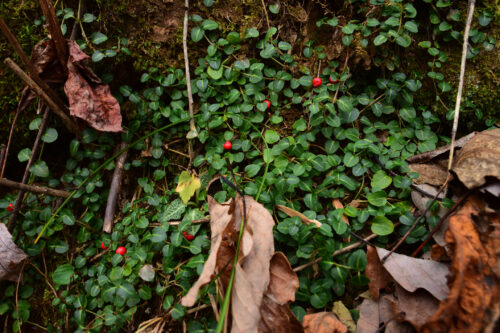
The Partridgeberry is actually a North American native, originally hailing from our woodland areas. It grows in a low, dense, shrub-like mat right along the soil, which makes it an ideal ground cover. Beyond its dainty evergreen leaves, you’ll get a pop of color from its bright red berries. Since it’s used to living under the canopy of giant forest trees, make sure to give it a spot away from harsh, direct sunlight to keep it happy.
++Himalayan Fleeceflower (Persicaria affinis)
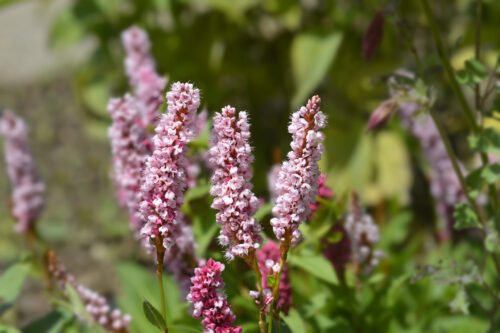
If you need to cover a lot of ground fast, Himalayan Fleeceflower is your best friend. Its impressive growth rate makes it a favorite for gardeners who want quick results. Just a heads-up: it can be a bit *too* eager sometimes and might try to wander outside its designated area. You might need to step in and show it who’s boss every now and then! That said, its lush green foliage looks stunning across large spaces, and it handles partial shade like a pro.
++Bugleweed (Ajuga reptans)
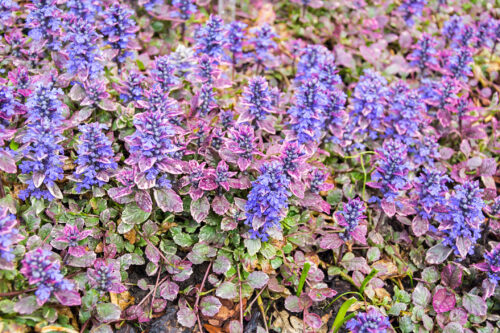
Bugleweed (or Ajuga) is a go-to classic for semi-shaded spots. It’s a tough little plant that keeps on spreading even in deeper shade, quickly blanketing the ground in green. But it’s not just about the leaves—this plant puts on a beautiful show with flower spikes that range from deep blue to purple, depending on your soil and the specific variety you pick.
++Wild Ginger (Asarum caudatum)
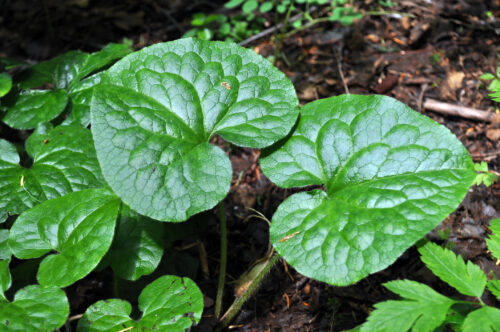
Wild Ginger creates a gorgeous carpet of matte-green, kidney-shaped leaves. This is a super low-maintenance choice that doesn’t mind the shade one bit. It’ll even bloom without much help from the sun! Starting around March, you’ll find small, bell-shaped flowers tucked away. Because it spreads via rhizomes, it fills in quite quickly, making it a reliable choice for those tricky shaded patches.
++Periwinkle (Vinca)
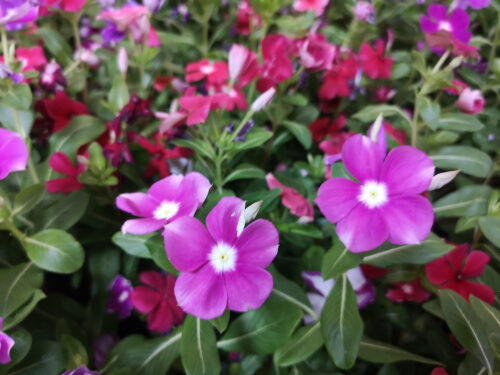
You can’t talk about ground covers without mentioning Vinca. As an evergreen, it keeps your garden looking lively all year long—no bare spots in the winter here! It’s perfectly happy in partial shade, though you’ll want to make sure the soil is nutrient-rich. Pro tip: If your spot is a bit on the damp side, “Vinca minor” (Common Periwinkle) usually handles moisture slightly better than its larger cousin, “Vinca major.”
++Dalmatian Bellflower (Campanula portenschlagiana)
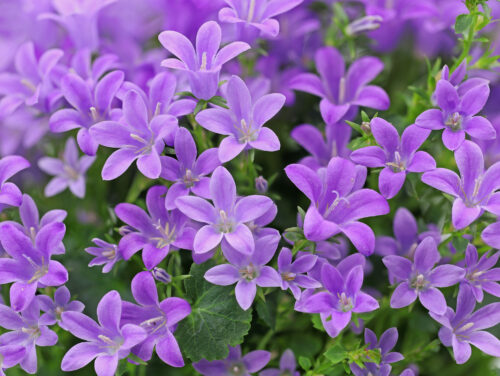
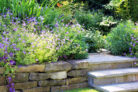
If you want a ground cover that really brings the “wow” factor with its flowers, the Dalmatian Bellflower is a winner. During its blooming season, it’s absolutely covered in vibrant blossoms. It creates a lush green rug that slowly expands, and it’s even talented enough to scramble up low walls or fences. This makes it a fantastic choice for planting on slopes or rocky edges.
++English Ivy (Hedera helix)
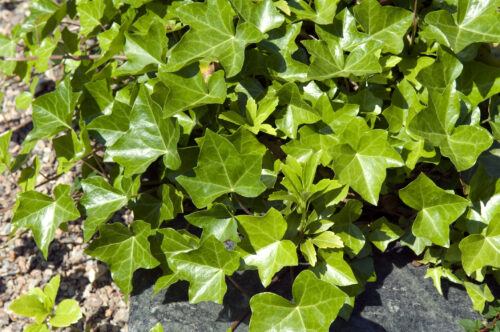
English Ivy is the ultimate versatile plant. Whether you want it climbing a wall or crawling across the forest floor, it gets the job done. Its thick, evergreen leaves create a solid carpet that thrives even in full shade. While ivy does technically bloom, it usually takes about ten years to reach that “adult” phase. Until then, you can just enjoy the classic, elegant look of its foliage.
++Barren Strawberry (Waldsteinia ternata)
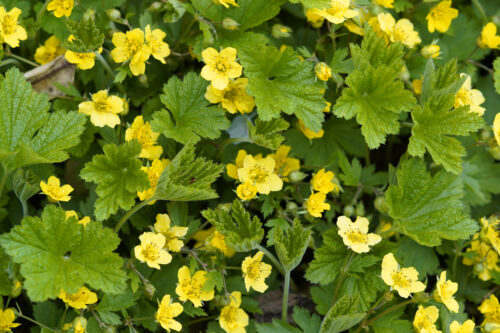
Looking for something a little different? Try the Barren Strawberry in your semi-shaded areas. The leaves and flowers look remarkably like the strawberries you’d find in a patch, but with a twist: the flowers are a cheery yellow instead of white. It’s a very hardy plant that spreads through rhizomes, making it a tough and reliable filler for your garden beds.