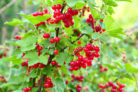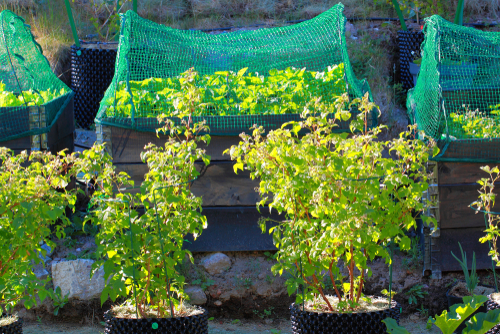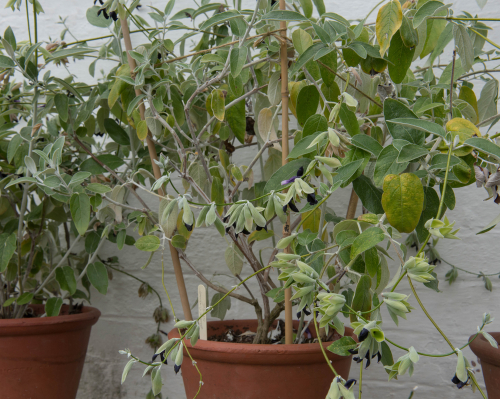
No big backyard? No problem! You don’t need a massive garden to enjoy the sweet-tart taste of homegrown currants. As long as you keep a few simple tips in mind, these berries thrive in containers, making them a perfect addition to your balcony or patio.
What You’ll Need for Container Currants
First things first: you’ll need a healthy young plant and, most importantly, a pot that’s big enough. Currant roots tend to grow out rather than down, so look for a wide container. Aim for a diameter of at least 20 inches (50 cm). Make sure your pot has plenty of drainage holes at the bottom—currants hate “wet feet,” and standing water is a quick way to ruin your harvest.
Here’s your shopping list for planting day:
- Nutrient-rich potting soil (look for high humus content)
- Bark mulch
- Berry fertilizer or well-aged compost
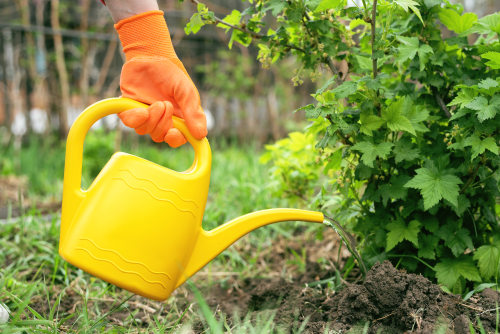
- A watering can
How to Plant Your Currants
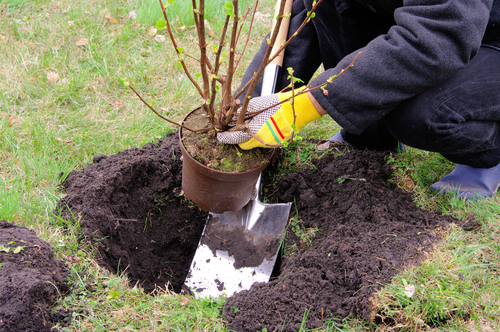
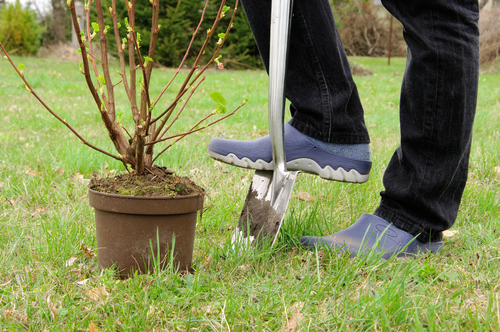
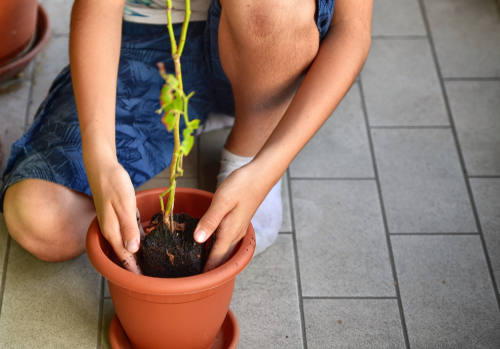
Once you’ve gathered your supplies, start by mixing your potting soil with some of that aged compost. Fill your container, set your plant in the center, and gently firm the soil down around it. Give it a good, deep soak right away to help it settle in.
Now, location is everything! Place your pot in a sunny spot that’s protected from harsh winds. Currants love the sun—it’s the secret to getting those big, juicy berries. While they can survive in partial shade, you’ll end up with smaller, much more sour fruit.
Caring for Your Potted Currants
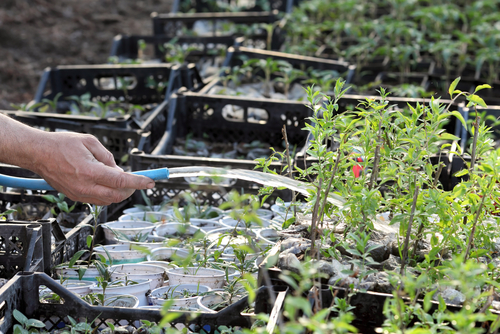
The golden rule for container gardening is to keep an eye on the water. Pots dry out way faster than the ground does, so check the soil regularly. To keep your bush productive, you’ll also need to fertilize it. A standard berry fertilizer works great—just follow the package directions so you don’t overdo it. Since nutrients in a pot eventually get tapped out, plan on repotting or refreshing the soil about every two years.
Unlike currants planted in the ground, your potted version needs a bit more attention when it comes to pruning. To keep the bush looking full and healthy, you’ll want to head back the branches regularly. Any old or dried-out wood should be cut away right at the base to make room for fresh, new growth.