If you’re dreaming of a backyard full of juicy currants, you’ve got to be ready to show your bushes some love. Like any fruit crop, a little TLC goes a long way toward a massive harvest. Here’s the lowdown on how to keep your currants happy and productive.
Watering and Fertilizing Your Currants
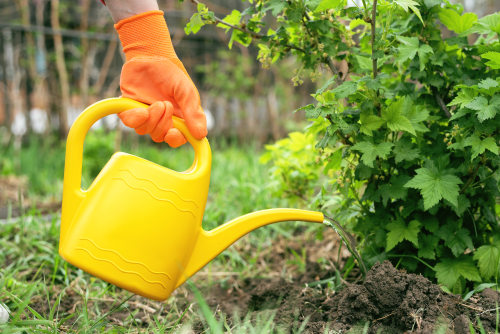
One thing to keep in mind is that currants are shallow-rooted plants. Unlike trees with deep taproots that can find water deep underground, currants rely on the top layer of soil. This means they can dry out pretty quickly! During hot, dry spells, you’ll need to water them frequently. The trick is to give them moderate amounts of water often, rather than one giant soak—their sensitive roots hate sitting in stagnant water (wet feet are a no-go!).
When it comes to feeding, timing is everything. You’ll want to fertilize in early spring, right before the blossoms appear. This gives the plant the energy it needs for a heavy bloom and a big harvest. Use some well-aged compost or a standard berry fertilizer from your local garden center. Pro tip: Spraying the plant occasionally with a diluted stinging nettle tea is a great organic way to ward off pests.
How to Prune Currants Like a Pro
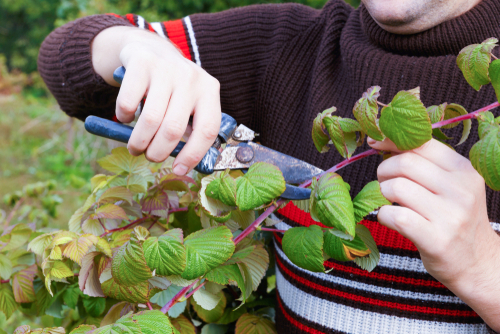
Pruning is a non-negotiable part of currant care. It clears out the old wood so the plant can focus its energy on fresh, productive growth. While the technique varies slightly depending on the variety, the timing is the same for everyone: prune right after the harvest is finished (usually between July and August).
When you head out with your shears, look for:
- Old, woody stems
- Diseased or sickly branches
- Wild shoots that are ruining the shape of the bush
- Dead or dried-out wood
For red and white currants, the “sweet spot” for fruit is on two- and three-year-old wood. Keep those and the younger shoots, but cut back anything older to make room for new growth. Black currants are a bit different—they produce the best fruit on one-year-old wood. For these, you’ll want to be more aggressive about cutting out the older branches to keep the bush young and vibrant.
Do Currants Need Winter Protection?
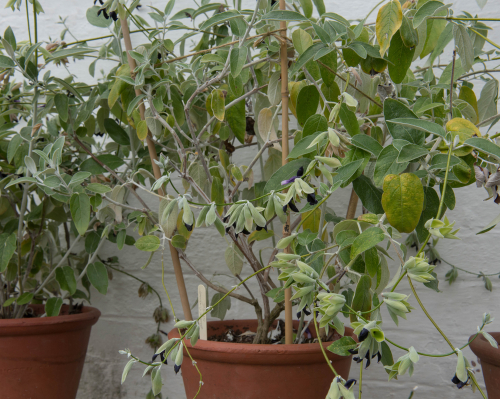
Generally speaking, these hardy berries are pretty tough and can handle temperatures down to about 14°F (-10°C) without breaking a sweat. However, if you’re growing your currants in pots, they need a little extra help.
Since the roots in a container are more exposed to the freeze-thaw cycle, move your pots onto an insulating base (like wood or Styrofoam) and tuck them against a warm house wall. Wrap the pot in bubble wrap or burlap and cover the soil with some evergreen brush or mulch to keep those roots cozy until spring.