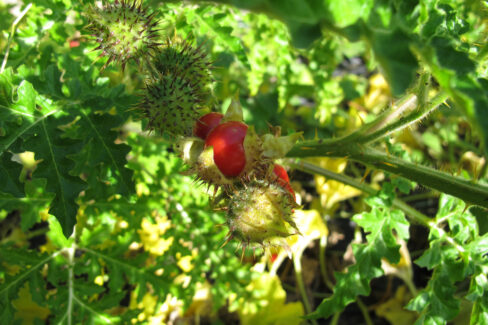
Ever heard of the Litchi Tomato? This exotic plant is a total conversation starter with a flavor that’ll definitely surprise you. Botanically speaking, it’s a cousin to your standard garden tomatoes and grows in a pretty similar way. However, if you want these exotic beauties to actually sprout, there are a few tricks you need to know.
When to Start Your Seeds
First things first: despite the name, the Litchi Tomato isn’t related to the Litchi tree. That said, the Litchi tree’s origins and the Litchi Tomato’s roots are similar—both love those warm, tropical, and subtropical vibes. Because of that, they need nice, high temperatures to germinate. Since they take a while to go from seed to fruit, your best bet is to start them indoors where it’s cozy.
You can get a head start in early spring by using an indoor seed-starting kit. By April, you can move your seed-starting efforts to a cold frame or a greenhouse. Just remember: the earlier you get them going, the sooner you’ll be snacking on those first fruits!
The Right Soil
For starting your seeds indoors, a standard seed-starting mix works perfectly. Even though Litchi Tomatoes are “heavy feeders” (meaning they love their nutrients later on), you actually want a low-nutrient soil for the germination phase. This encourages the plant to grow a strong, healthy root system. If you’re sowing them in a cold frame or greenhouse, I recommend mixing a little sand and seed-starting soil into the ground to keep the nutrient levels in check at the beginning.
Transplanting and Feeding
You can expect to see sprouts in about two to three weeks. Once your seedlings have developed their first set of “true” leaves, it’s time to move them to a bigger pot. At this stage, use a mix that’s about half garden soil and half seed-starting mix. Save the rich stuff—like compost or high-quality veggie soil—for when you finally move them to their permanent home in the garden or a large patio pot.
Here’s a pro tip: if a Litchi Tomato doesn’t get enough nutrients later in the season, it might actually drop its flowers or tiny developing fruits. To prevent this, make sure they’re in rich soil and give them a boost with liquid fertilizer every two weeks.
The great news? Litchi Tomatoes are much tougher than regular tomatoes when it comes to late blight. You can plant them right out in the open once the danger of frost has passed. Another great option is growing them in containers. This makes it way easier if you want to overwinter your Litchi Tomato indoors!