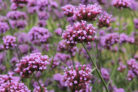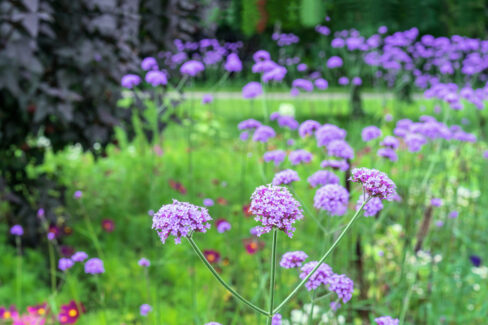
Vervain, known botanically as Verbena, isn’t cold-hardy, which is why we usually grow it as an annual here. To get your garden started or to keep the color coming back year after year, seeds are your best bet. Since our warm growing season can feel a bit short, you’ll want to get those seeds in the soil early. Here’s everything you need to know about creating the perfect conditions for germination.
The Best Time to Sow Your Seeds
If you can, I highly recommend starting your Verbena indoors. It gives the plants a head start, meaning you’ll get to enjoy those beautiful blooms much earlier in the season. You can start your indoor seeds as early as mid-February, but try not to wait any later than mid-April. If you prefer direct sowing outdoors, keep in mind that since these plants are not winter-hardy, the soil won’t be warm enough for them until late April or mid-May.
How to Start Seeds Indoors
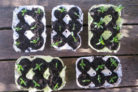
Whether you saved seeds from last fall or picked up a fresh packet, here’s the best way to get them going indoors:
- Fill a large seed tray or several small starter pots with a high-quality seed-starting mix.
- Scatter the seeds evenly across the surface.
- Cover them with just a very thin layer of soil (no more than 1/4 inch).
- Use a spray bottle to gently mist the soil so it’s damp but not soaked.
- Place the tray in a bright, warm spot (around 68°F is the sweet spot).
- Keep the soil consistently moist throughout the germination process.
Pricking Out and Planting
Once your seedlings have grown a few inches tall, they’ll need a bit more elbow room. If you started late and it’s already mid-May, you can move the young plants directly into your garden beds or into planters on the balcony. If it’s still chilly out, transplant them into their own individual small pots and keep them indoors until the danger of frost has passed in mid-May.
When you’re ready to plant, look for a sunny location—that’s the secret to getting a massive flush of flowers. They’ll still look okay in partial shade, but they won’t be quite as showy. Some varieties prefer a spot sheltered from the wind, while others are bred to be tough against rain and gusts. To keep maintenance easy, look for soil that is:
- Slightly acidic
- Rich in organic matter (humus)
- Moderately moist
- Well-draining
Quick Tip:
Once your plants reach about 3 inches tall, pinch off the tips of the shoots. This encourages the plant to branch out, which means a much bushier plant and way more flowers later on!
Collecting Seeds for Next Year
It’s a good habit to deadhead spent blooms and remove dry leaves to keep things looking tidy and prevent mold. However, if you want to save seeds for next season, leave a few flower heads on the plant to mature. For woody varieties, like Common Vervain, you can also try propagating them via cuttings if you want to skip the seed process altogether.