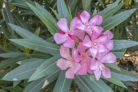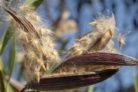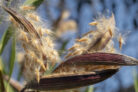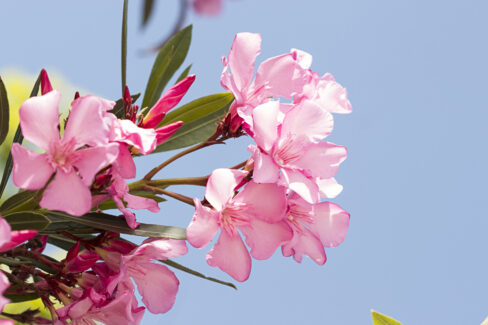
Growing oleander from seed isn’t just a way to get more plants—it’s a bit of a genetic lottery! Because the DNA mixes during pollination, you can actually end up breeding completely new varieties with unique flower shapes and colors. It’s a labor of love and takes some patience, but the results can be incredibly rewarding.
Ways to Propagate Your Oleander
If you’re looking to propagate an oleander you already own and want to know exactly what the “kids” will look like, you usually stick to these methods:
The big thing these two methods have in common is that the new plants are genetic clones of the mother plant. Whether you’re taking a cutting or dividing the root ball, the genetic info stays exactly the same.
How to Start Oleander from Seed
Ready to try your hand at growing from scratch? First, let your seeds soak in warm water for a few hours; this helps soften them up and kickstarts germination. Next, place them in a tray filled with high-quality seed-starting mix. Cover them with just a thin layer of soil and keep the medium consistently moist. If you keep them in a warm, bright spot, you should see sprouts popping up within a few weeks. Once the little guys have grown a bit and developed a few sets of true leaves, you can carefully transplant them into their own individual pots.
Oleander Seeds: A Genetic Surprise Package
Growing from oleander seeds is a totally different story than using cuttings. Every single seed carries a unique genetic blueprint created when the flowers were pollinated. Because of this genetic shuffle, you never quite know which traits will show up in the new plant.
Breeding New Varieties
When you grow oleander from seed, you’ll never get an exact replica of the parent plant. Instead, you’re essentially breeding a brand-new variety! These seedlings might look a lot like the mother plant, or they might be totally different. The most exciting changes usually show up in the blooms, where you might discover brand-new colors or petal shapes you’ve never seen before.
The Waiting Game
The only catch? You won’t know if you’ve successfully bred the next superstar variety for a while. Young oleanders are late bloomers and usually won’t show off their first flowers for at least three years. That’s when the big reveal happens, and you finally get to see the colors and shapes of your custom-grown plants. It takes some patience, but seeing that first unique bloom is worth the wait!