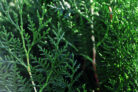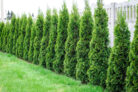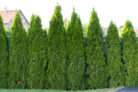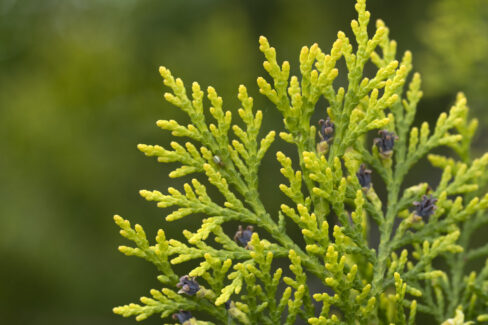
If you’ve already got a beautiful Thuja (Arborvitae) in your yard, you’re in luck! You can actually grow your own new trees from the one you already have using two different methods. Now, just a heads-up: not every single cutting or seed is going to make it, so it’s a good idea to start a few at once. I’ve put together all the must-know facts to help you succeed at DIY propagation.
What are the best ways to grow your own Thuja?
When it comes to propagating an existing Arborvitae, you’ve basically got two paths you can take:
- Growing from “heel” cuttings
- Harvesting and planting seeds
Growing Arborvitae from cuttings
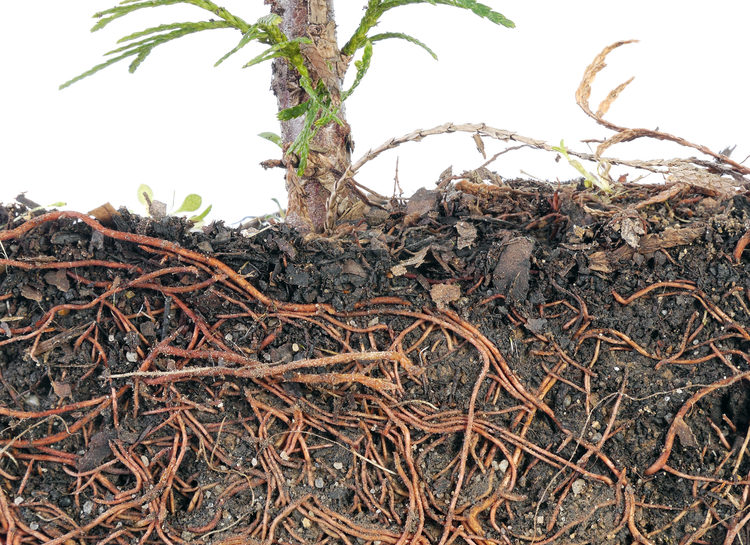
Most gardeners prefer growing new trees from cuttings. The cool thing about this method is that the new plant will be an exact clone of the parent tree. The best time to take your cuttings is between early and mid-summer. Instead of using shears, you actually want to “tear” these off—this creates a “heel” that helps the plant root much faster.
- Gently tear off healthy shoots from your Thuja. You want to make sure a small strip of bark (the “heel”) stays attached to the bottom of the cutting.
- Dip the torn end into some rooting hormone to give those roots a jumpstart.
- Plant the cutting in a pot filled with seed-starting mix or a DIY blend of garden soil and sand.
- Give it a good watering right away.
- Place the pot in a bright spot that stays around 68°F (20°C). A mini-greenhouse is perfect for this, but you can also just pull a clear plastic bag over the pot to keep the humidity up.
- Keep the soil consistently moist, but be careful not to let it get soggy or waterlogged.
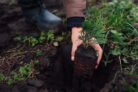
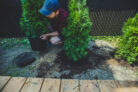
Once you see new growth starting to sprout, you’ll know roots have formed! That’s your signal that your new tree is ready to be planted in its permanent spot.
Harvesting and sowing Thuja seeds
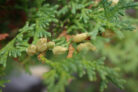
Fair warning: growing from seed takes a lot of patience. It can take several months just to see a sprout. Also, keep in mind that Thujas don’t always produce viable seeds—sometimes those brown buds you see on your hedge aren’t seeds at all. Plus, seed-grown plants might look a little different than the parent tree. If you’re up for the challenge, harvest the seeds in the fall and plant them immediately in moist soil. Since they are “cold germinators,” they actually need a chilly period to wake up and grow.