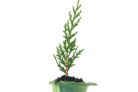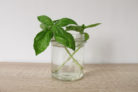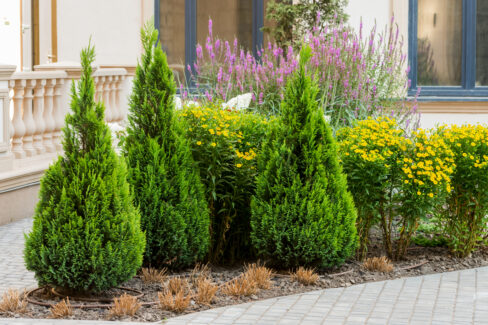
Taking cuttings is hands-down the best way to propagate your Thuja. The best part? Your new Arborvitae will be a perfect genetic match to the mother plant. If you’ve got a little patience, you can even grow an entire privacy hedge from just a few starters!
When and how should you take Arborvitae cuttings?
Technically speaking, we aren’t just taking “cuttings”—we’re taking “heel cuttings.” These little guys root much better if they have a small strip of the old bark (the “heel”) still attached. A clean, straight cut with shears is actually less likely to take root. Since not every single cutting will make it, I always recommend planting a few more than you think you’ll need.
Timing is everything! The sweet spot for taking your cuttings is between early and mid-summer. In the spring, it’s usually still a bit too chilly for the young plants to get established, and the same goes for the fall and winter months.
How to plant your Thuja cuttings the right way
To give your new plants the best shot at propagation success, just follow these simple steps:
- Gently tear healthy shoots away from your Arborvitae so that a small “heel” of bark remains at the base of the cutting.
- Give your cuttings a little boost by dipping the ends in rooting hormone.
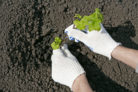
- Plant the cuttings in a pot filled with seed-starting mix or a DIY blend of garden soil and sand.
- Give them a good watering right away.
- Place the pot in a bright spot that stays around 70°F (20°C). A mini-greenhouse is perfect for this, but you can also just pull a clear plastic bag over the pot to keep the humidity in.
- Keep the soil consistently moist, but make sure it’s not waterlogged.
- If you’re using a plastic cover, vent it once a day to prevent mold from moving in.
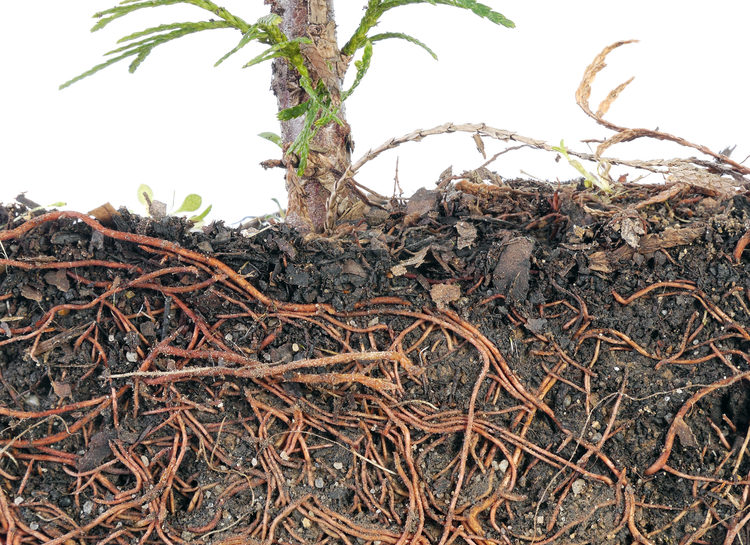
Once you see new growth starting to sprout, you’ll know your Thuja has successfully developed roots! That’s your signal that it’s ready to move to its permanent location. Look for a spot that fits these criteria:
- Full sun or partial shade
- Protected from heavy winds
- Well-draining soil
- Rich in organic matter (humus)
- Soil that isn’t too acidic