If you’re short on garden space but still want that homegrown flavor, I have great news: you can totally grow potatoes in containers! Whether you have a sunny balcony or a small patio, these tubers are surprisingly easy to cultivate in pots.
Chitting (Pre-Sprouting)
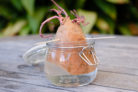
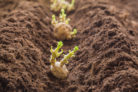
To get a head start on the season, you’ll want to “chit” your potatoes indoors to encourage sprouting . Starting in mid-March, place your seed potatoes in a shallow box or egg carton. Keep them in a bright, warm spot (around 60°F) to wake them up.
Choosing Your Container
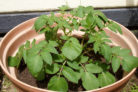
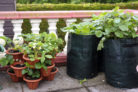
Your pot should be at least 12 inches deep and wide. If you’ve got the space for larger planters, you can even plant multiple tubers together. One of the best things about big containers is the chance to try companion planting! Marigolds are a classic choice because they help ward off diseases . Peppermint is another great health booster for your plants, and if you tuck some caraway in there, it’s said to give the potatoes a fantastic flavor boost.
The Best Varieties
- Sunita: If you love starchy, floury potatoes, this is the one for you. It matures quickly and produces impressively large tubers.
- Laura: This is a crowd favorite! It has striking red skin and firm yellow flesh with a delicious, rich taste.
- Bamberger Hörnchen: A heritage fingerling variety. These unique, finger-shaped potatoes are famous for their incredible flavor and are super low-maintenance.
How to Plant
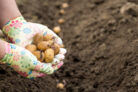
- Once the weather settles in late March or early April, it’s time to get planting.
- Fill your container with high-quality potting soil or finished compost.
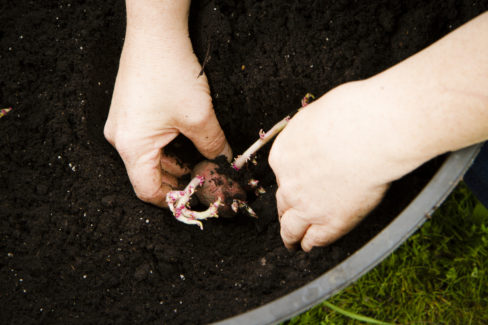
- Pat the soil down gently and poke a hole (or a few) about 4 inches deep.
- Place your potatoes in the holes with the sprouts (the “eyes”) facing upward.
- Cover them with soil and give them a good drink of water.
Care and Maintenance
Potatoes love consistent moisture, and rainwater is their favorite treat. Just be careful not to let the soil get soggy—standing water is a recipe for rot, especially during rainy spells. Since potatoes are “heavy feeders,” they need plenty of nutrients. Mixing organic fertilizer like well-rotted manure or horn meal into the soil is a smart move. If they need a pick-me-up later in the season, a liquid nettle tea works wonders.
Keep a close eye out for pests. Catching Colorado potato beetles early is key to saving your crop. Pro tip: that peppermint I mentioned earlier? The beetles hate the smell, so it acts as a natural repellent!
The Harvest
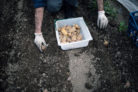
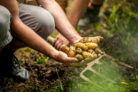
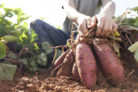
Wait until the foliage starts to wither and turn brown—that’s the signal that the tubers are fully mature and ready to harvest . Gently pull the plant out by the stems; you’ll see some potatoes clinging to the roots. After that, carefully dig through the soil with your hands to find the rest of the hidden gems.
Quick Tip: There are hundreds of potato varieties out there! Don’t be afraid to experiment with unique or heirloom types you won’t find at the grocery store.