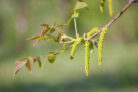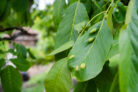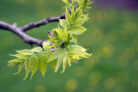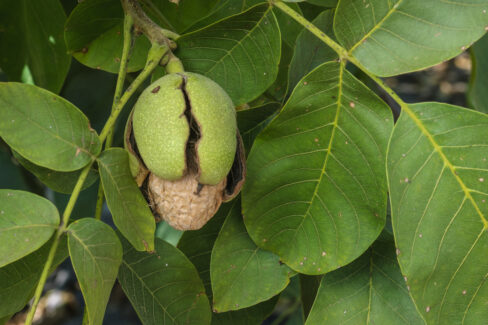
Let’s be honest: most of us plant a walnut tree for one reason and one reason only—those delicious homegrown nuts! If you’re thinking about adding one to your yard or you’re just curious about the tree you already have, I’ve put together a quick guide with everything you need to know about these classic garden treasures.
What Do Walnuts Actually Look Like?
For a long time, people lumped walnuts in with “stone fruits” (like peaches or cherries). But botanically speaking, they are actually true nuts!
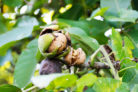
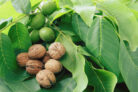
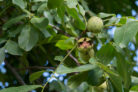
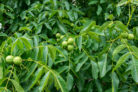
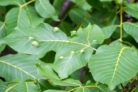
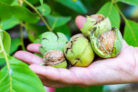
Before they hit your snack bowl, the walnut kernel is tucked inside a hard shell, which is further protected by a thick, green outer husk. Depending on the variety, the nuts can be round, oval, or even egg-shaped. They usually range from about an inch to three inches long, and that woody shell we have to crack open is typically only about 2 millimeters thick.
When Is Harvest Time?
Walnuts generally ripen in September and October. The best part? You don’t have to climb a ladder to get them. When they’re ready, they’ll drop to the ground on their own, making them super easy to just gather up from the grass.
The Secret to a Great Harvest
If you’re wondering how many nuts you’ll actually get, it usually comes down to three big things:
- The age of the tree
- The specific variety
- Where it’s planted
Age Matters
The age of your walnut tree is a huge factor. If you plant a standard seedling, don’t expect a massive haul right away. Usually, you won’t see your first real harvest until the tree is between 15 and 20 years old. Yields start small and usually peak when the tree hits its “prime” around age 40. Once a tree reaches its senior years (around 60 to 80 years old), the production starts to slow down a bit.
Choosing the Right Variety
If you don’t want to wait two decades for a snack, pay attention to the variety! Specially bred cultivars or dwarf varieties often start producing nuts much sooner—sometimes in as little as three years. Just keep in mind that since dwarf trees have smaller canopies, they won’t produce the same massive volume of nuts as a full-sized giant.
Location, Location, Location
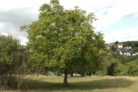
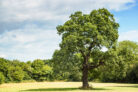
The location of your tree makes a world of difference for your harvest. Walnut trees are sun-worshippers and do best in bright, open spots. Weather plays a role, too—if you have a summer that’s particularly cold and rainy, the tree might struggle to develop as many high-quality nuts.