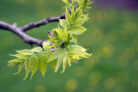
Walnut trees and their delicate parts are surprisingly sensitive to the cold. Young trees, in particular, need a little extra TLC during the winter to avoid serious frost damage. Here’s the lowdown on how to keep your walnut tree safe when the temperature drops.
Late Spring Frosts: The Real Danger
The biggest threat to a walnut tree isn’t always the dead of winter—it’s those sneaky late spring frosts. Because flower buds and leaves start developing early in the season, they are sitting ducks for a sudden cold snap. Even if the thermometer dips just slightly below freezing (32°F), those tender buds and leaves can freeze right off.
Signs of Frost Damage
Wondering if the cold got to your tree? Look for these tell-tale signs:
- Leaves that have turned completely black.
- Flowers that look brown or charred/black.
How to Save a Frost-Damaged Tree
If you spot these symptoms, don’t panic! If the damage is minor, the tree can usually bounce back on its own. However, if the frost was severe, it can be a real struggle for the tree to survive, mainly because it relies so heavily on its leaves for energy.
Helping Frozen Leaves
If you see those blackened leaves, your first instinct might be to grab the shears—but don’t! Cutting them off creates fresh wounds on an already stressed tree. Instead, let the dead leaves fall off naturally. Your job is to keep the tree well-watered and make sure it has plenty of nutrients by using a good fertilizer. If the damage wasn’t too deep, you should see new green growth popping up within a few weeks.
Dealing with Frozen Flowers
When frost hits the blossoms, it’s bad news for your snack stash. Depending on how bad the freeze was, you might lose part or even all of your harvest for the year. Unfortunately, there’s no “quick fix” for frozen flowers; you’ll just have to wait until next spring for a new bloom and a fresh chance at a walnut harvest.
Preventing Frost Damage Before It Starts
The best offense is a good defense! Protect your walnut tree during the chilly months by wrapping it or providing a windbreak. Young trees are especially vulnerable and need that extra layer of protection. If you’re growing a walnut tree in a pot or maintaining a walnut bonsai, your best bet is to move them into a frost-free area, like a garage or shed, until the weather warms up.